The year was 1875, and the country was in the midst of Reconstruction. In a small community along the Roanoke River outside of Littleton, Halifax County, North Carolina, it was said that “vice and ruin reigned.” One new arrival to the neighborhood noted that “the men and boys were spending the Sabbath playing baseball, cards, chicken fighting” and other such “evil ways.”
Finding the local moral condition “very bad,” a Mr. H. Throckmorton set about to make a change and found an old run down school house in which to start a Sunday school. Though resistant at first, eventually the community acquiesced, and next came prayer meetings. When they outgrew the school house, they built a brush arbor to accomodate more people and split logs for seating.
Realizing a spark had been created, Mr. Throckmorton sought to bring a minister in for regular services. After several instances of being turned down, he found an itinerant preacher – the Rev. John Travis Weaver – who lived in nearby Brunswick County, Virginia. Weaver agreed to attend, and preached an eight day revival that is said to have resulted in fifty converts.
The rest, as they say, is history.
A few months later, the congregants committed themselves to the creation of a permanent Church, and named it “Weaver’s Chapel” in honor of its first minister. By the next year, a log-framed and permanent chapel was built.
The original members/contributors to the creation of Weaver’s Chapel included the noted Mr. H. Throckmorton; numerous members of the Wilson families (Nathaniel & Elizabeth Wilson, Presley Wilson, Eaton & Elvy Wilson, Andrew Jackson Wilson); Thomas Morris; Thomas Pulley; J.M. Pulley; Durrell Gholson; John Harper; John Northington; and Sterling Johnston, and many others.
Tomorrow, I am excited to return to Littleton to celebrate the 150th anniversary of the Church that my grandmother, great-grandparents, and numerous other family, called their own.
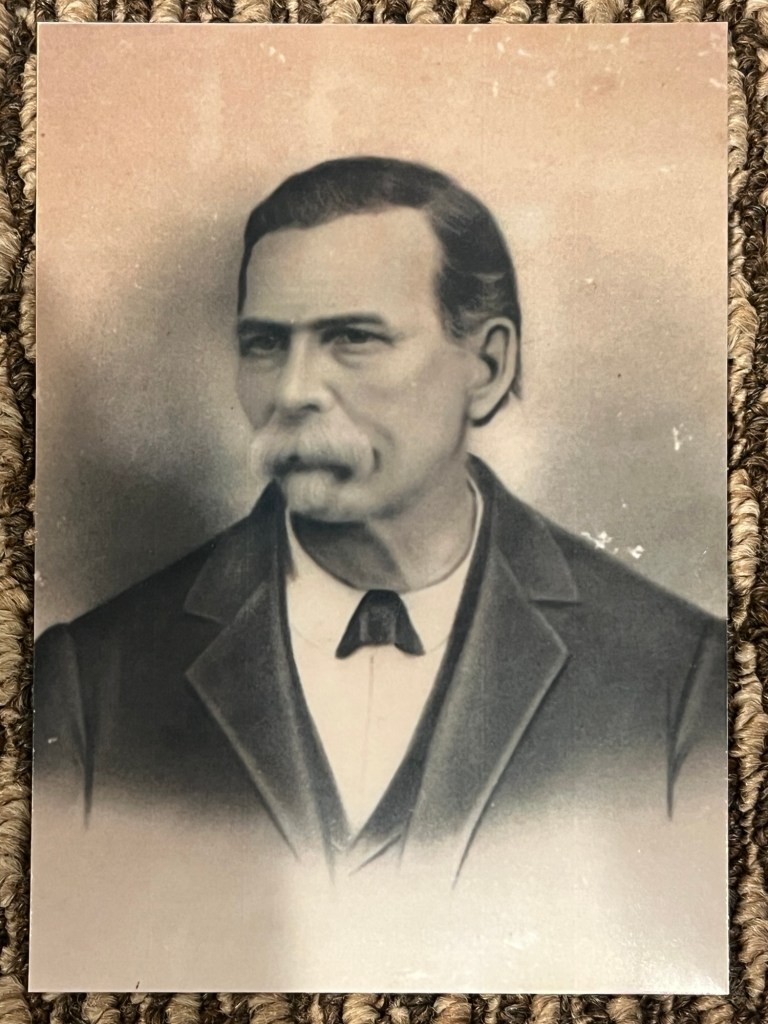
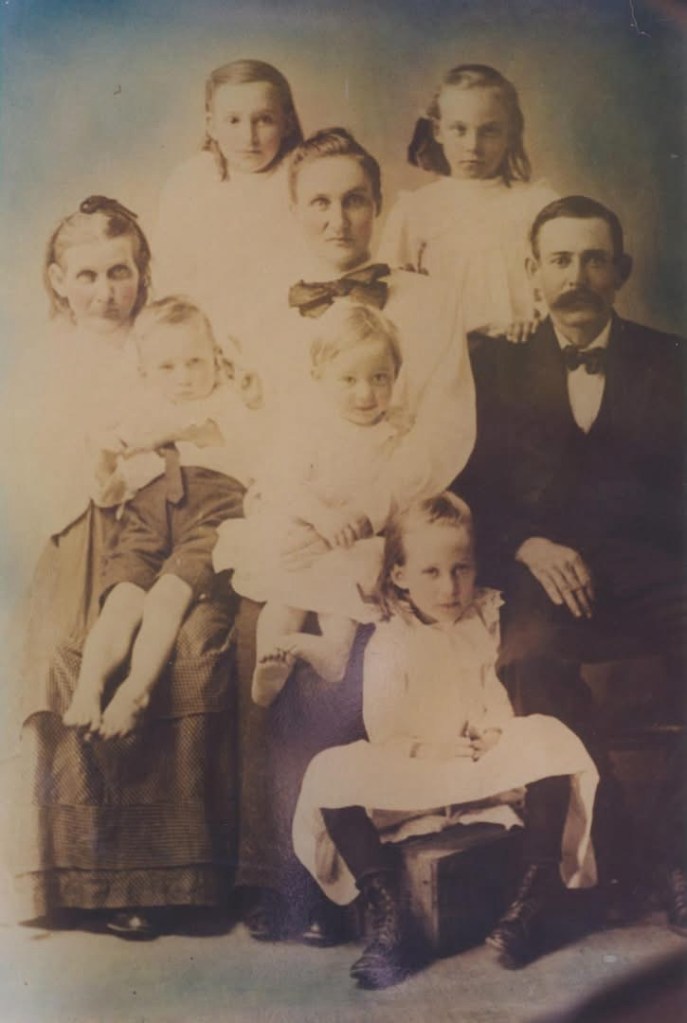
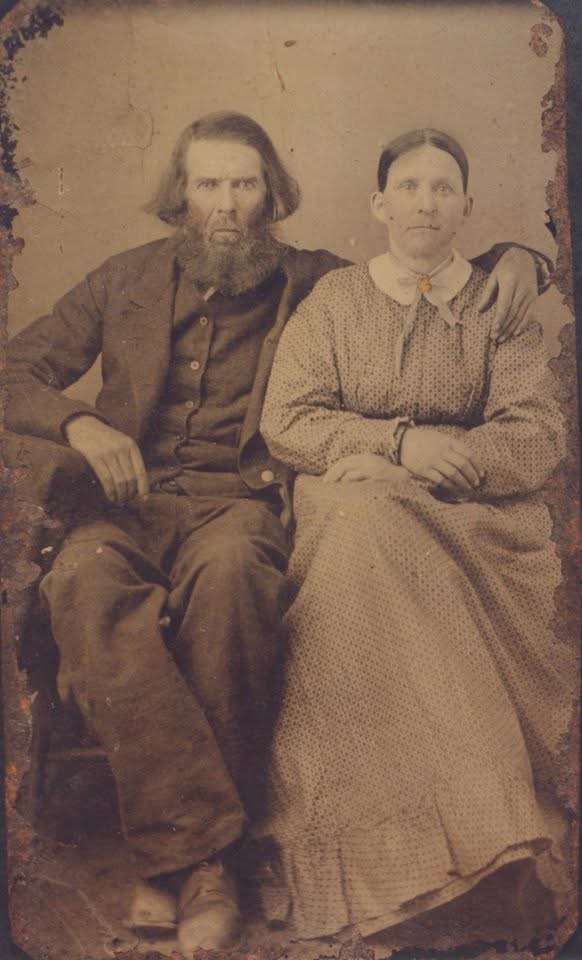
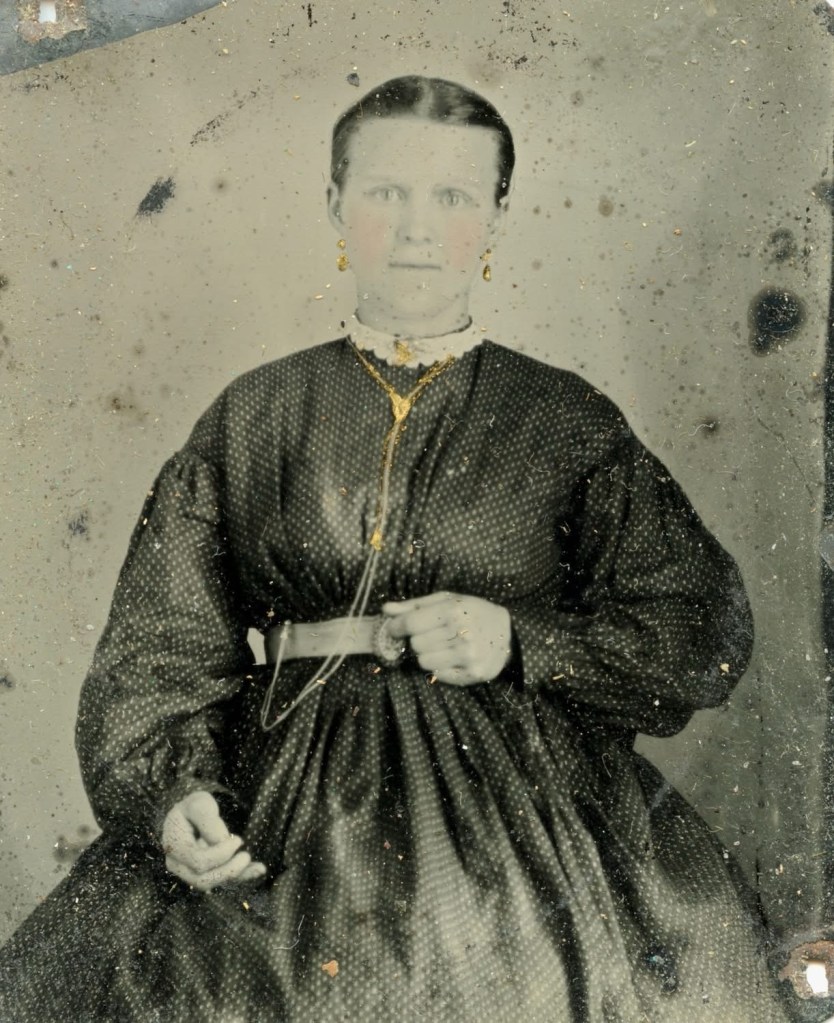
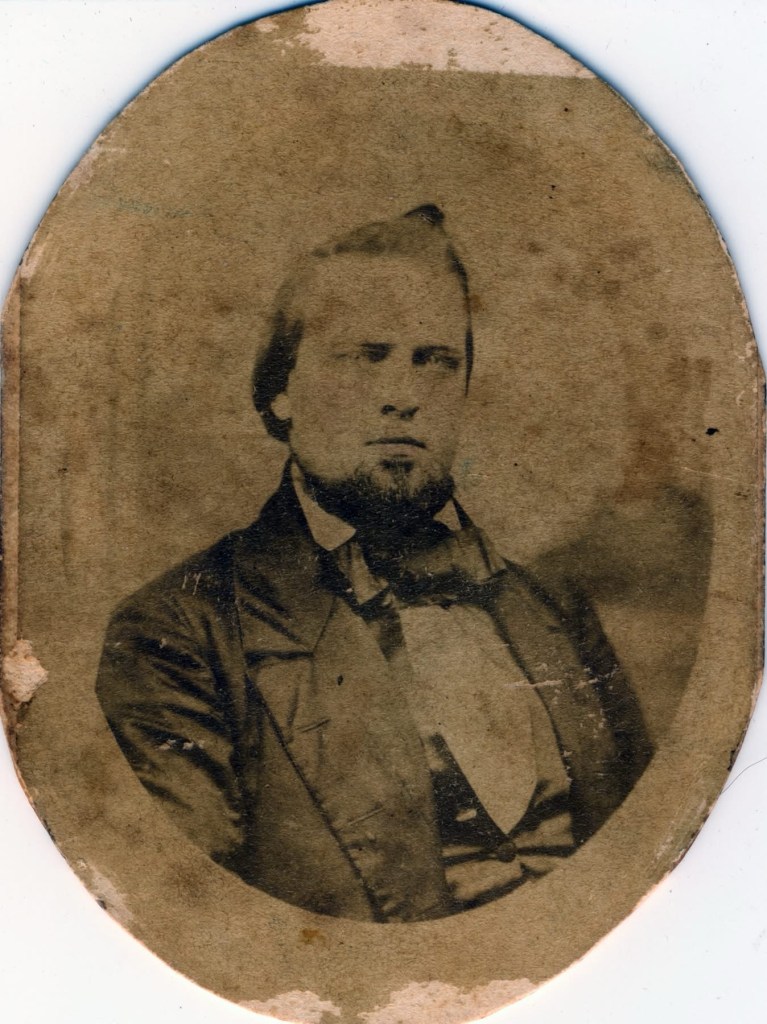
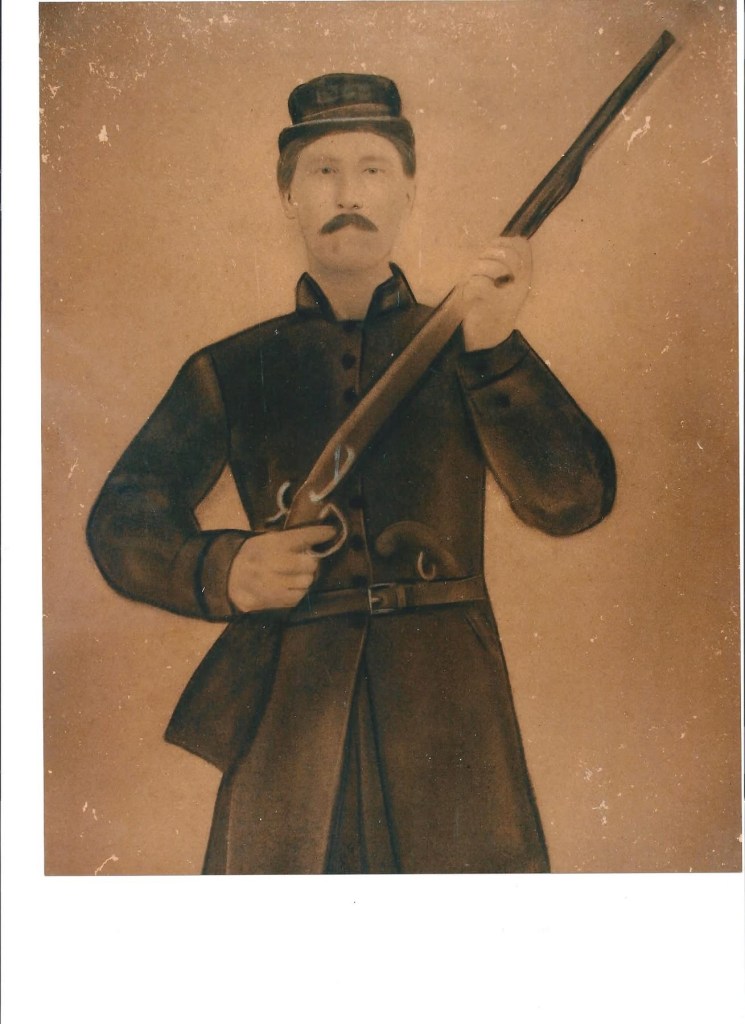
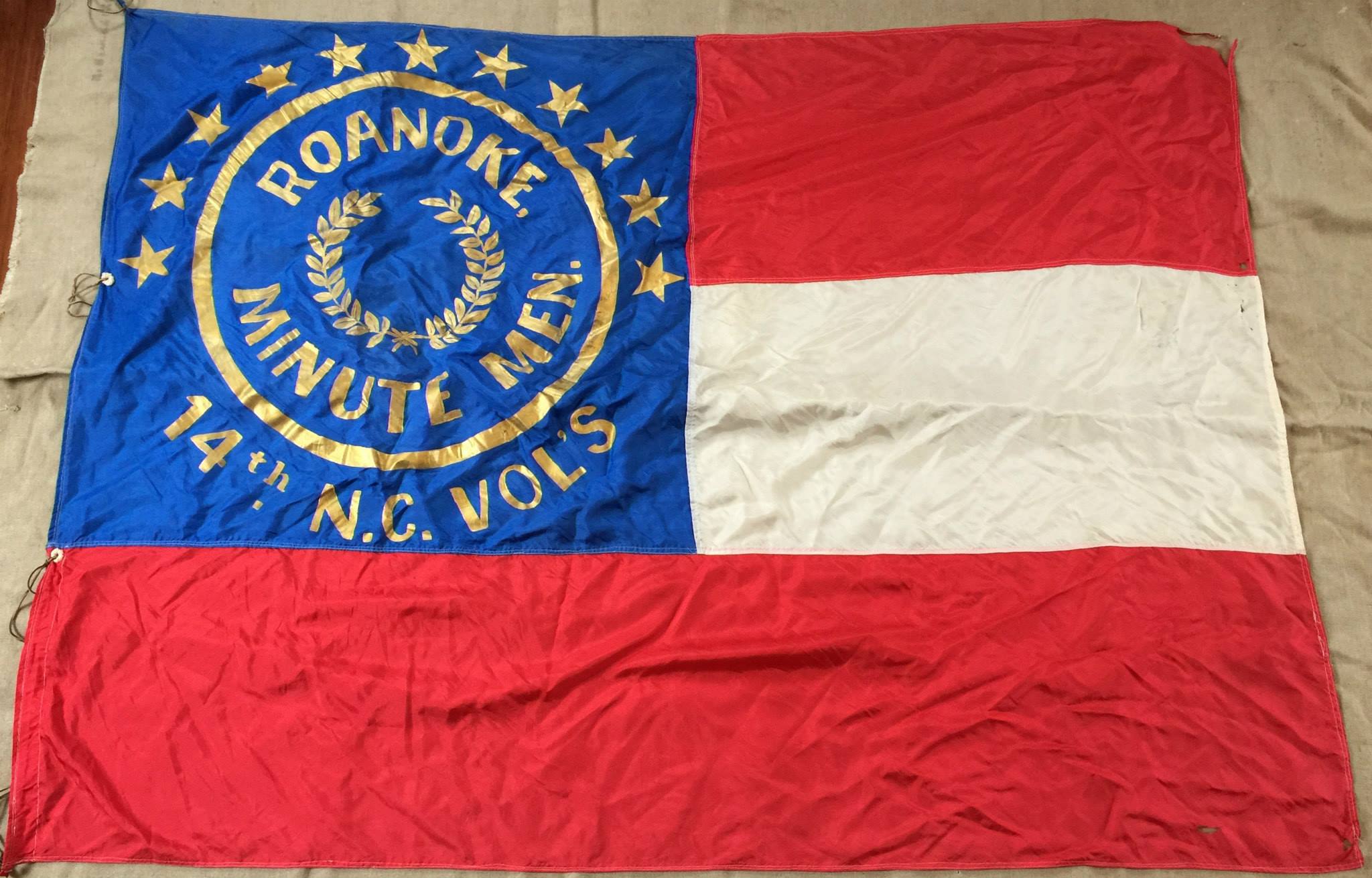
Founding Church Families/Members

 Fred~on~History