Traditional Meteorolgy

With rain set in from the remnants of Hurricane Isaias, I’ve been thinking about how people watched the weather long before radar maps on our phones. We’ve been fortunate locally this hurricane season, but it’s a good occasion to explore an old tradition.

On an early trip to Bermuda, I discovered a unique weather gauge: shark oil. It took five more trips to obtain my own instrument, and this one has a story to tell!

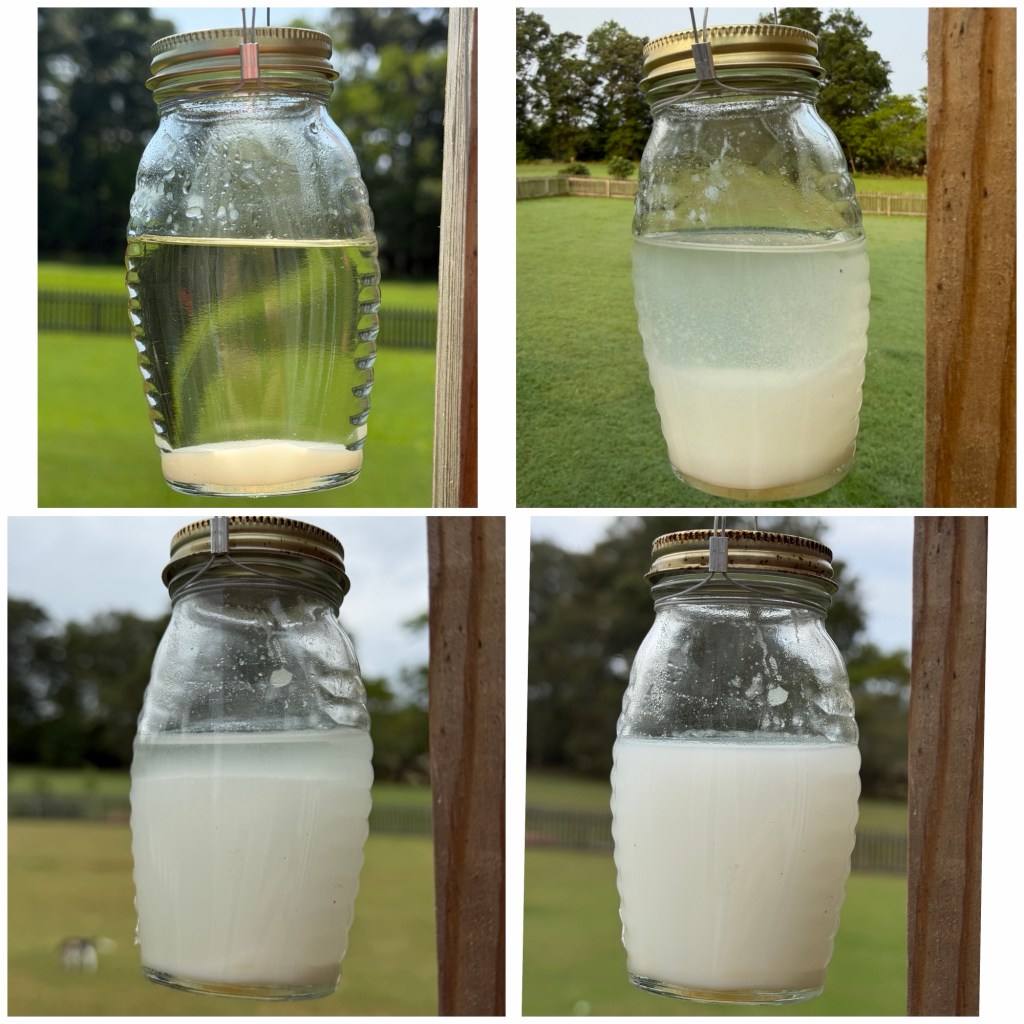
For over 300 years, Bermudians have hung bottles of shark liver oil outside their homes as weather indicators. Tradition holds that clear oil means fair weather; cloudiness, a milky appearance, or stirring sediment warns of unsettled conditions. On an island shaped by seafaring, those clues mattered.

But just any shark oil wouldn’t do. The custom calls for liver oil from juvenile, or “cub,” sharks. A 1982 account in The Bermudian described using small sharks caught between June and September, when their livers were plump, pale, and rich in oil. Fishermen also followed particular phases of the moon for the harvest.

Does it work? In 2015, scientists at the Bermuda Institute of Ocean Sciences found that warming the oil made it clearer, while cooling made it cloudier. Pressure changes alone produced no definitive response. Its changing appearance was real, but its reliability as a storm predictor remained unresolved. At least according to the “experts.”

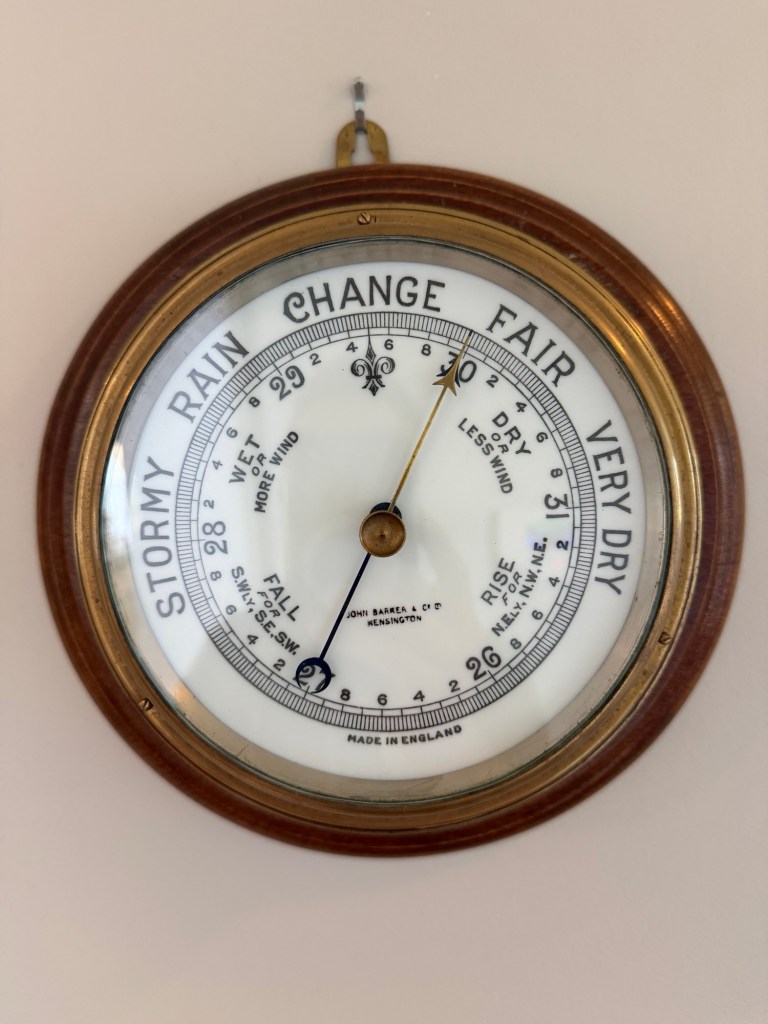
Conventional barometers work differently. The mercury barometer emerged in seventeenth-century Italy, measuring atmospheric pressure with a column of mercury. Later came the aneroid barometer, whose sealed chamber responds to pressure changes.

Falling pressure often signals unsettled weather; rising pressure generally suggests improvement. Watching the change over time helps tell the story.

What appeals to me about these traditions and devices is the habit behind them: paying attention. Watching the sky, studying the sea, and remembering what happened the last time things looked this way.

This weekend, I’ll be watching my little piece of Bermuda history and recording my findings. In the meanttime, what old sayings or traditions did your family pass down about the weather?
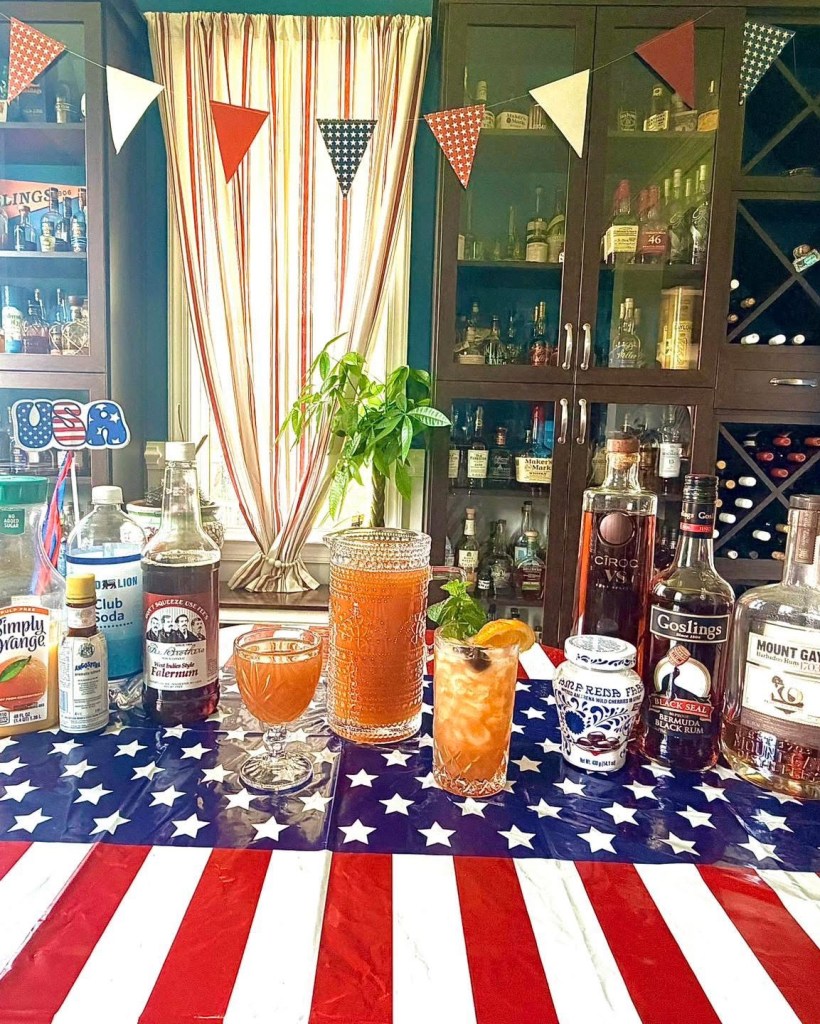
Chuckatuck Rum Punch

As we celebrate the Fourth of July, it seems only fitting to raise a glass to one of colonial America’s favorite traditions: rum punch.

Long before the modern cocktail bar, punch was the drink of fellowship — served in bowls, ladled into cups, and shared at taverns, homes, public gatherings, and celebrations. Rum was one of the great spirits of the Atlantic world, connecting the colonies with the Caribbean through trade, taste, and hospitality.

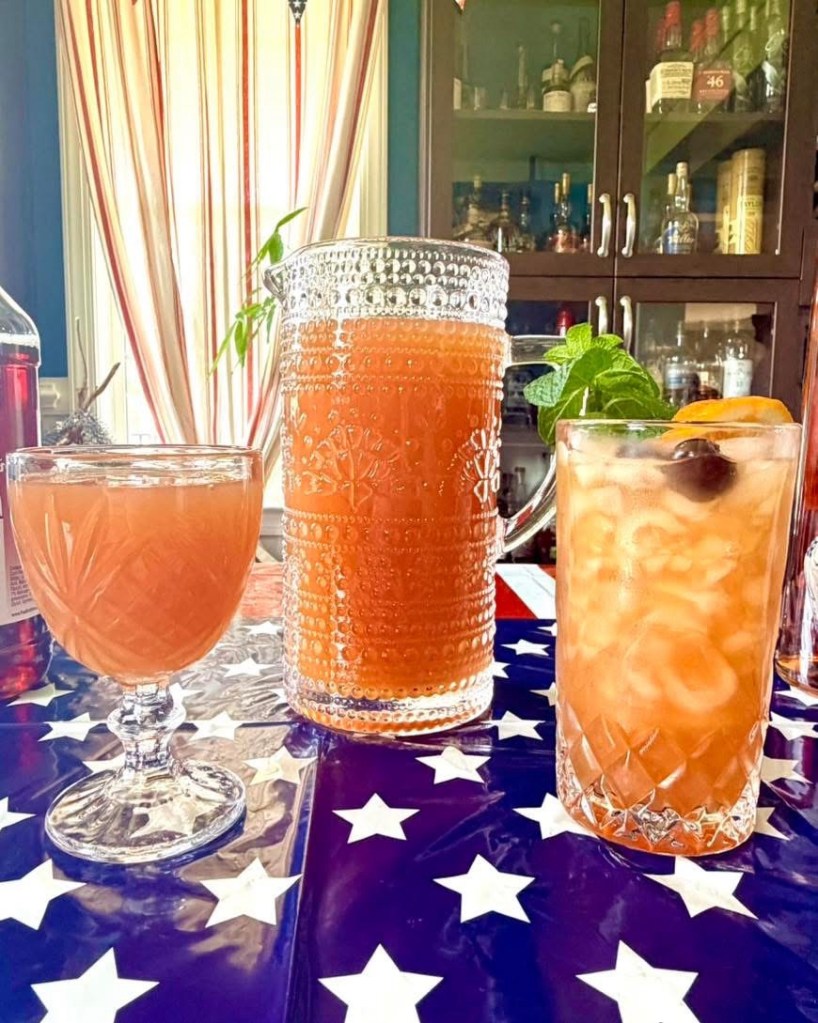
This “Chuckatuck Punch” is my version of that old tradition. It leans into Bermuda (surprise!) with Gosling’s Black Seal Rum, nods to the broader Caribbean with Barbados rum and falernum, and brings in the classic punch elements of citrus, spice, fruit, and a finishing touch of brandy.

Think of it as 18th-century punch bowl tradition meets a summer party — perfect for America 250, or any summer gathering worth remembering.

Chuckatuck Punch Recipe

Serves about 12

Ingredients

1 ½ cups Gosling’s Black Seal Rum
1 ½ cups Barbados rum or another quality amber/gold rum
⅜ cup falernum (Goslings or Fee Brothers)
same as 6 tablespoons or 3 ounces
1 cup fresh lime juice (or half lime & lemon)
1 ½ cups orange (or pineapple) juice
8 dashes Angostura bitters
2 ounces good quality brandy
same as ¼ cup or 4 tablespoons
2 ounces cherry juice and/or grenadine, to taste
Soda water, to top
Orange slices, fresh mint and your favorite cherries for garnish
Crushed ice
Directions

In a large pitcher or drink dispenser, combine the Gosling’s Black Seal Rum, Barbados rum, falernum, fresh lime juice, orange juice, and Angostura bitters.

Stir well and chill until ready to serve.

To serve, fill tall glasses with crushed ice. Pour the punch over the ice, top each glass with soda water, garnish with orange slices, mint & cherries, and finish each serving with a small splash — about 1 teaspoon — of brandy.

So, as we look back 250 years toward the founding generation, “Chuckatuck Punch” offers a small taste of the kind of shared hospitality that would have been familiar in colonial America — bold, bright, convivial, and made for passing around.

Until next time, from our Chuckatuck porch to yours, cheers! 🍹

Remember, remember…

It’s throwback Thursday… and I get to talk about two of my favs, history and Bermuda! So…

🇺🇸 the 1775 Gunpowder Plot?! 🇧🇲

From a camp near Boston, on September 6, 1775, General George Washington penned a letter to the “Inhabitants of the Island of Bermuda,” calling on their “Favor and Friendship to North America and its Liberties…” Its purpose was to solicit much-needed gunpowder for Continental troops. This was a tricky request, as Bermuda had been under an American embargo some months before, and suffering from the loss of much needed food and other supply. What Washington proposed in essence was a trade.

His letter was unnecessary, though.

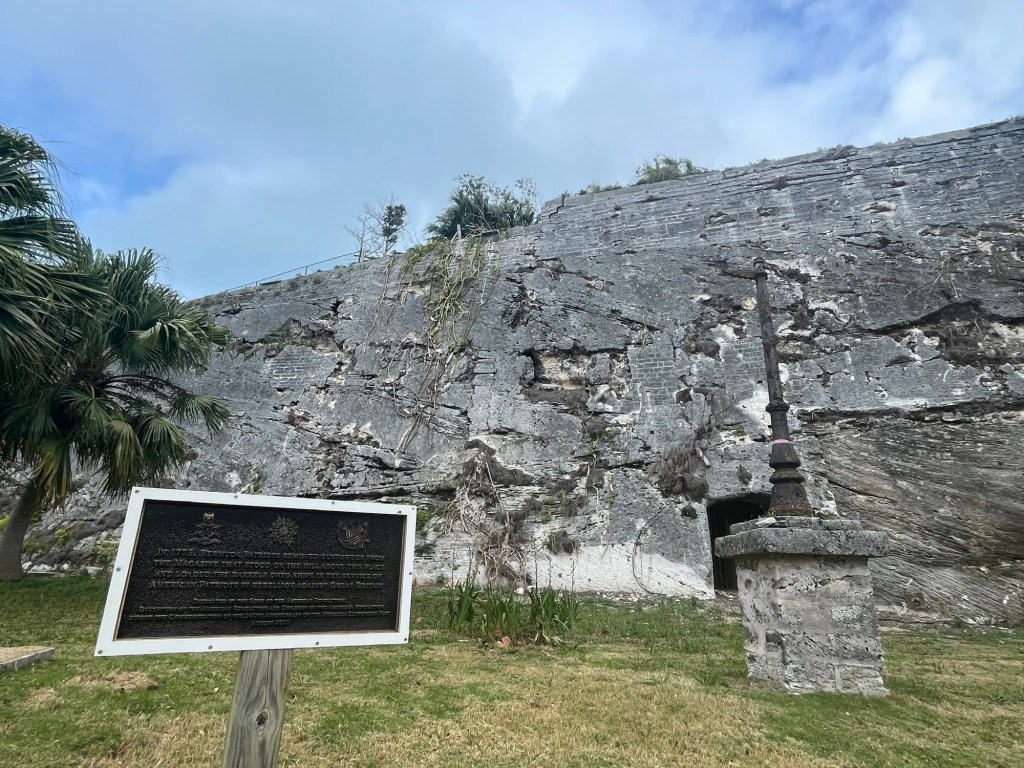
Much to his relief, friendly Bermudians had already come to the Colonies’ rescue just weeks before, on this day – August 14 – two-hundred and fifty years ago.

On that hot and humid night, under a full moon, several dozen Bermudian patriots under the guidance of Colonel Henry Tucker (father of Virginian, St. George Tucker) made their way to Tobacco Bay on the northeast coast of the island, climbing a steep hill and some distance to reach an unguarded powder magazine. There they acquisitioned and removed more than 100 casks of gunpowder, transporting them back to the Bay and loading the casks on two ships ready for transport to Philadelphia and Charleston.

The mission was a success, with thousands of pounds of gunpowder readily received for use by Washington’s army . And while investigated by the loyal Governor, no charges were ever brought against any suspect for their acts.