Sunday, June 29, at Bethlehem Christian Church, Suffolk.
Honour Thy Father & The Mother
A little behind in getting this out, but here is the link to my message from Father’s Day, from Bethlehem Christian Church, Suffolk:
Press Coverage for the New Website
Many thanks to Bermuda’s The Royal Gazette newspaper for picking up the story on the new website devoted to the life and work of photographer Samuel Walter Gault.
You can read the full article here: Historic Bermuda Photographer Highlighted in New Website
The Bermuda Diaries
Very pleased to make this new website public!
What began some eight years ago for me as a passing interest in a Bermuda-related photograph (of NC blockade runner/pilot Thomas Mann Thompson) has since resulted in two magazine articles, and continuing on with the identification and documentation of nearly seventy-five images taken by photographer Samuel W. Gault during his time in Bermuda from 1861 to 1865.
With a desire to share that research, I have compiled an online database for any others who may be interested in photographer Gault, Bermuda photography, American Civil War, Royal military or just general 19th century Bermuda history, etc. to be able to research. Here is the link:
Bermuda Through the Lens of Samuel Walter Gault, 1861-1865
The site was created through a software called Omeka, which is a web-publishing platform used internationally for the display of library, museum, archives, and scholarly collections. (It’s the same one we use for the North Carolina, State Troops and Volunteers project.)
The site not only allows interaction and the ability to share images and stories, but also is user-friendly for research purposes, whether you are a scholar or hobbyist. A full word/phrase search engine is included, and images can also be browsed by a topical tag. Additionally, you can directly submit your own images and stories for inclusion. There are currently over 45 images, from private collections as well as Universities, Museums, and Historical Societies, that have been kind enough to grant permission. And I am optimistic that many more will be added in the coming months as I gain additional permissions.
So please, enjoy, share, bookmark, and visit again soon! I am rather partial to the result here, but I encourage you to take a look and find out for yourself. Likewise, please let me know what you think, or any recommendations you may have for improvements!
Hope Springs Eternal
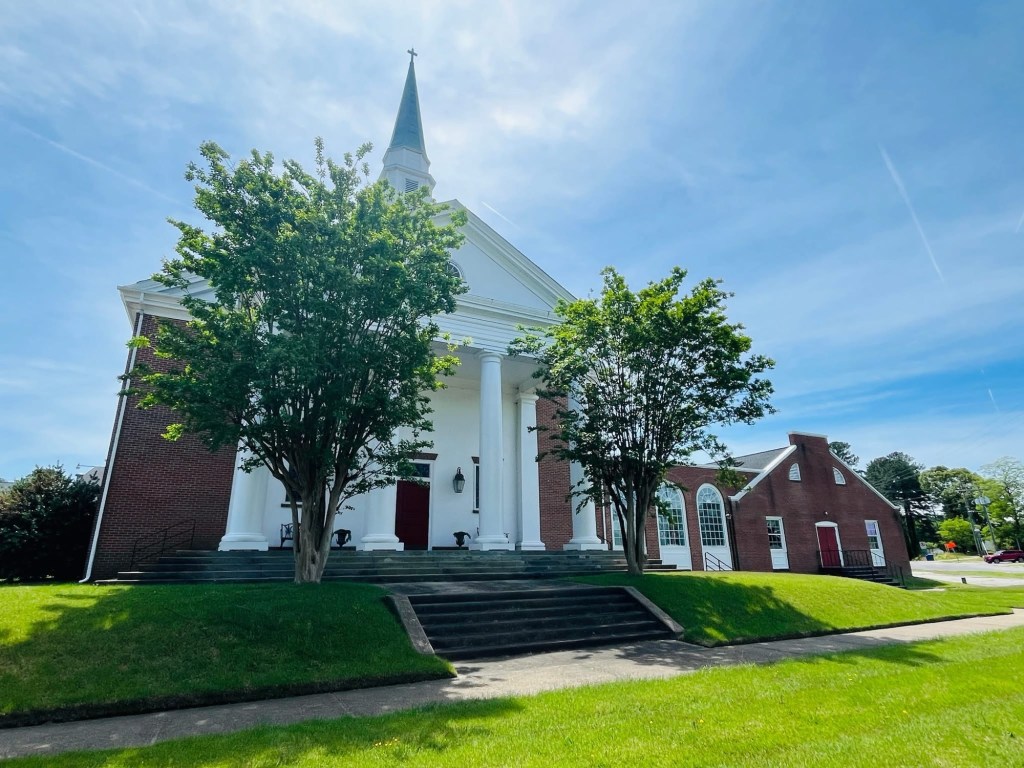
I was honored to be invited to the pulpit at Bethlehem Christian Church in Suffolk on Sunday, May 4, to speak during the 11 AM service.
For those who missed it, the service was live streamed and available for playback on both Facebook and Youtube.
The link to the church’s Facebook page is https://www.facebook.com/BCCSuffolkVA. The live video will appear at the top of the timeline. Prior live streams will be visible in the timeline, and will also be available on the Videos tab.
The link to the church’s Youtube channel is https://www.youtube.com/channel/UC5YGD7JdgLUG8DAA8Vh7U5A, or you can enter “BCCSuffolk” in the Youtube search feature. The live video will appear on the channel’s Home tab.
Good Friday, Hot Cross Buns and Bermuda
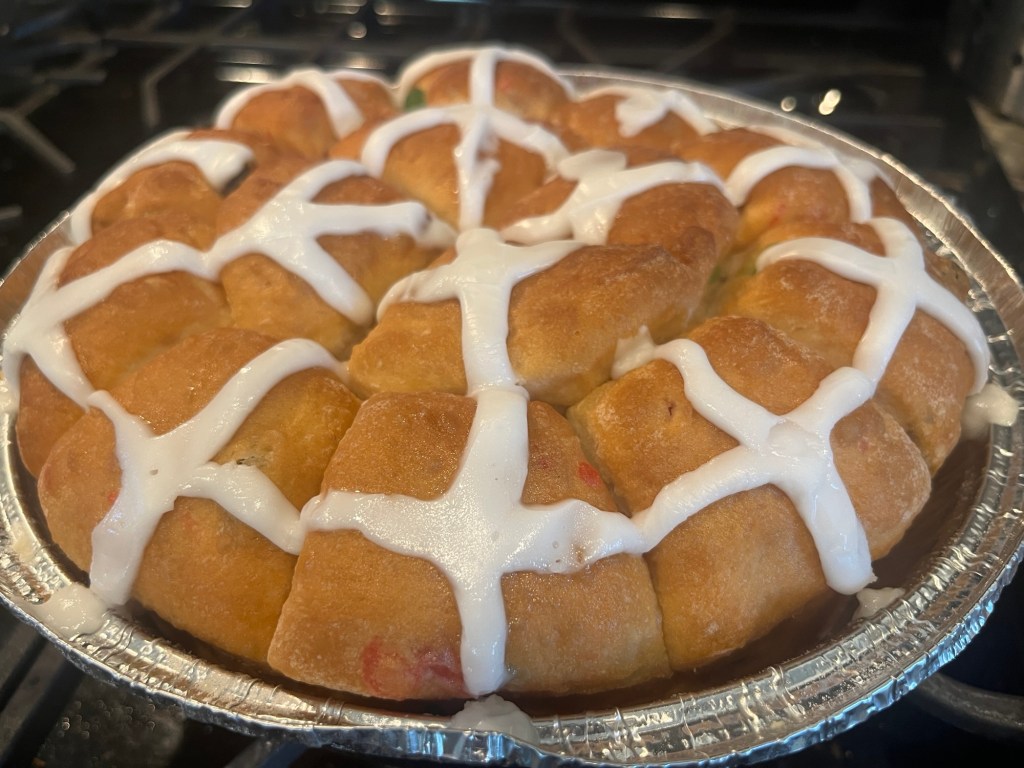
Wishing all a blessed Good Friday, and a double dose of #fredonhistory
I had never seen or heard of a “Hot Cross Bun” – spiced buns with mixed fruit and topped with an icing cross – until my travels and research took me to Bermuda 🇧🇲 . One bit of folklore attributes these to have originated in 16th/17th England, due to a ban on the sale of spiced baked goods during Easter and Christmas. Apparently a resourceful baker decided if such buns were “blessed” with a cross it would get around such prohibitions by making their sale one with a religious connotation.
Whatever the origins though, generally after Lent all I have on my mind is the taste of these spicy, fruity, and sweet delectable treats. And in recent years, I am thankful they have made their way to the States.
Today, I was fortunate to find a pan of fresh Hot Cross Buns at Yummaries Bakery in Smithfield.
Which brings me to another bit of history.
The Town of Smithfield also has multiple Bermuda connections. Those who know a little something of Smithfield history will recognize the name Captain Mallory Todd and the stately “Todd House” (aka Nicholas Parker house, built in 1750s) located on Main Street.

Mallory Todd, a noted seaman and merchant, was in fact a native of Bermuda and is believed to have come to Smithfield in the 1760s (likely joining another branch of his family, also Bermudian – the Mallorys) to pursue a variety of financial opportunities in the colonies. In the midst of the Revolutionary War, Todd expanded his business, and is credited as being the father of our famed “Smithfield ham” – curing them so that they would be preserved during their export across the Atlantic to England, Bermuda, the Caribbean, and abroad.
So today, while I enjoy my hot cross buns and reflect on the solemnity of Good Friday, I am also mindful of the great irony that these same Smithfield-made cross buns were likely being enjoyed by the Mallory and Todd families some 250+ years ago as well.
And that little idea of Captain Todd’s – curing and shipping local hams 🐖 – well it seemed to take off pretty well, too!
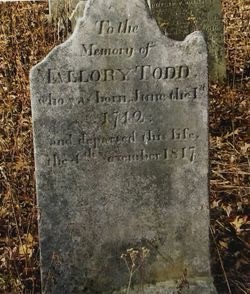
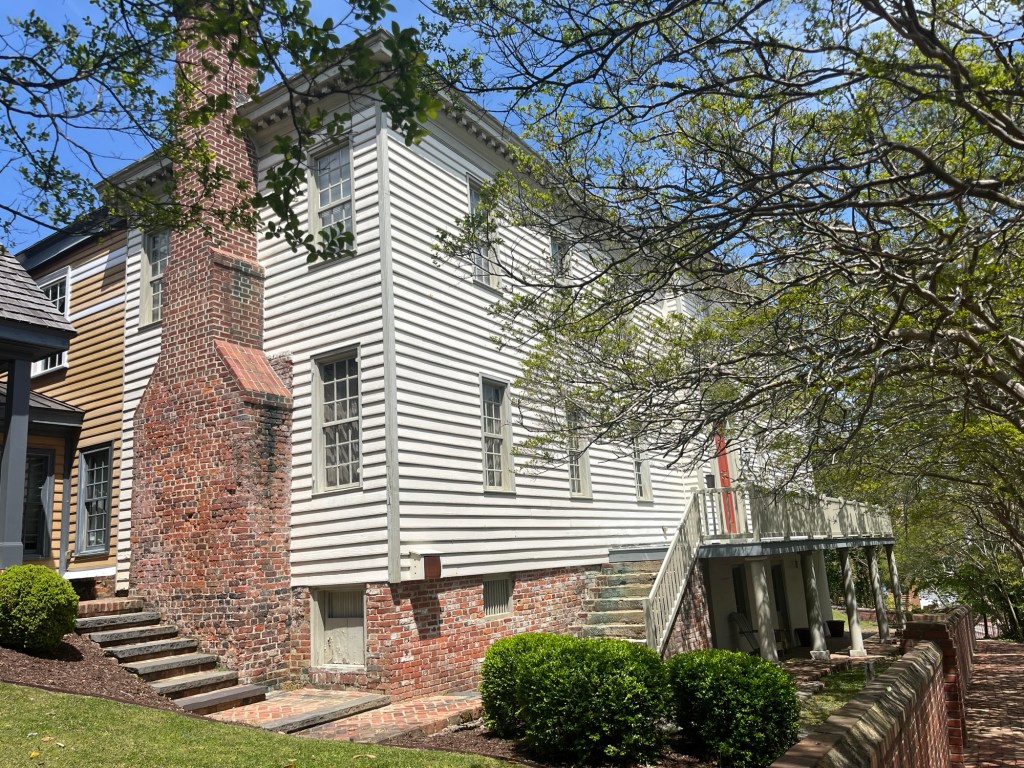


The Parker/Todd House, along Main Street, Smithfield, Virginia
News from the Tar Heel Faces Photograph Project

Company A, 50th North Carolina Troops
Some updates! A little over a year ago, I announced that we were transitioning and reviewing/revising much of the content from our Facebook page State Troops and Volunteers to a more permanent location. I am happy to report the progress at our website:
This site was created through Omeka, which is a web-publishing platform used for the display of library, museum, archives, and scholarly collections.
The site not only allows us to share images and stories, but also is much more user-friendly for research purposes. A full word/phrase search engine is included, and images can also be browsed by a topical tag. For example, if you want to find soldier images from a particular County or Regiment, we now have that capability. Additionally, you can directly submit your own images and stories for inclusion.
I could go on and on about all of the bells & whistles of the site, but I encourage you to take a look and find out for yourself! Likewise, let me know what you think, or any recommendations you may have for improvements.
Baltimore Antique Arms Shows
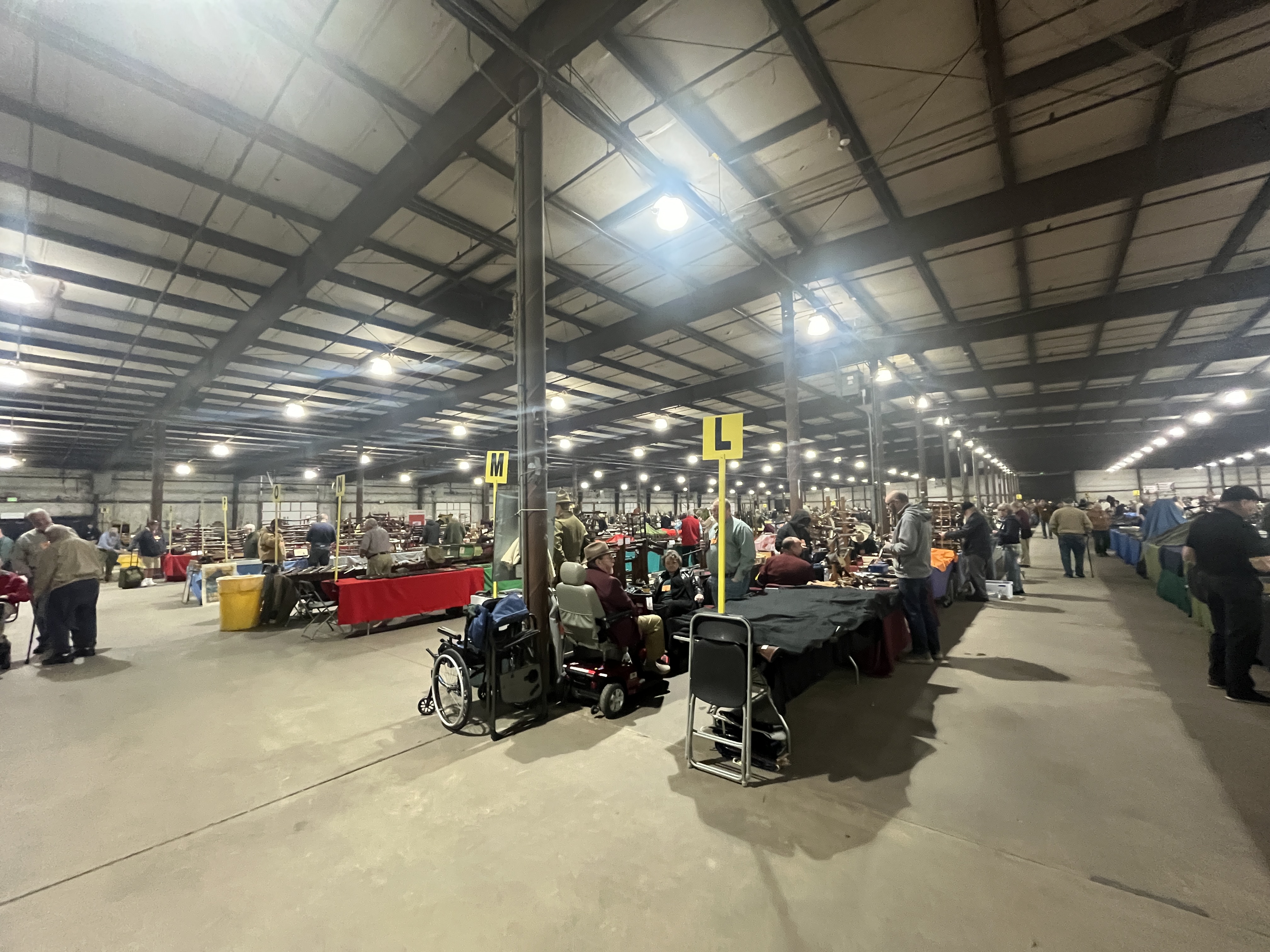
A handful of pictures from the annual Show, hosted by the Maryland Arms Collectors Association.
For this year’s event, my friend Jim Mayo and I collaborated on an educational display of arms, accoutrements, and accessories imported to the Confederacy through the blockade.
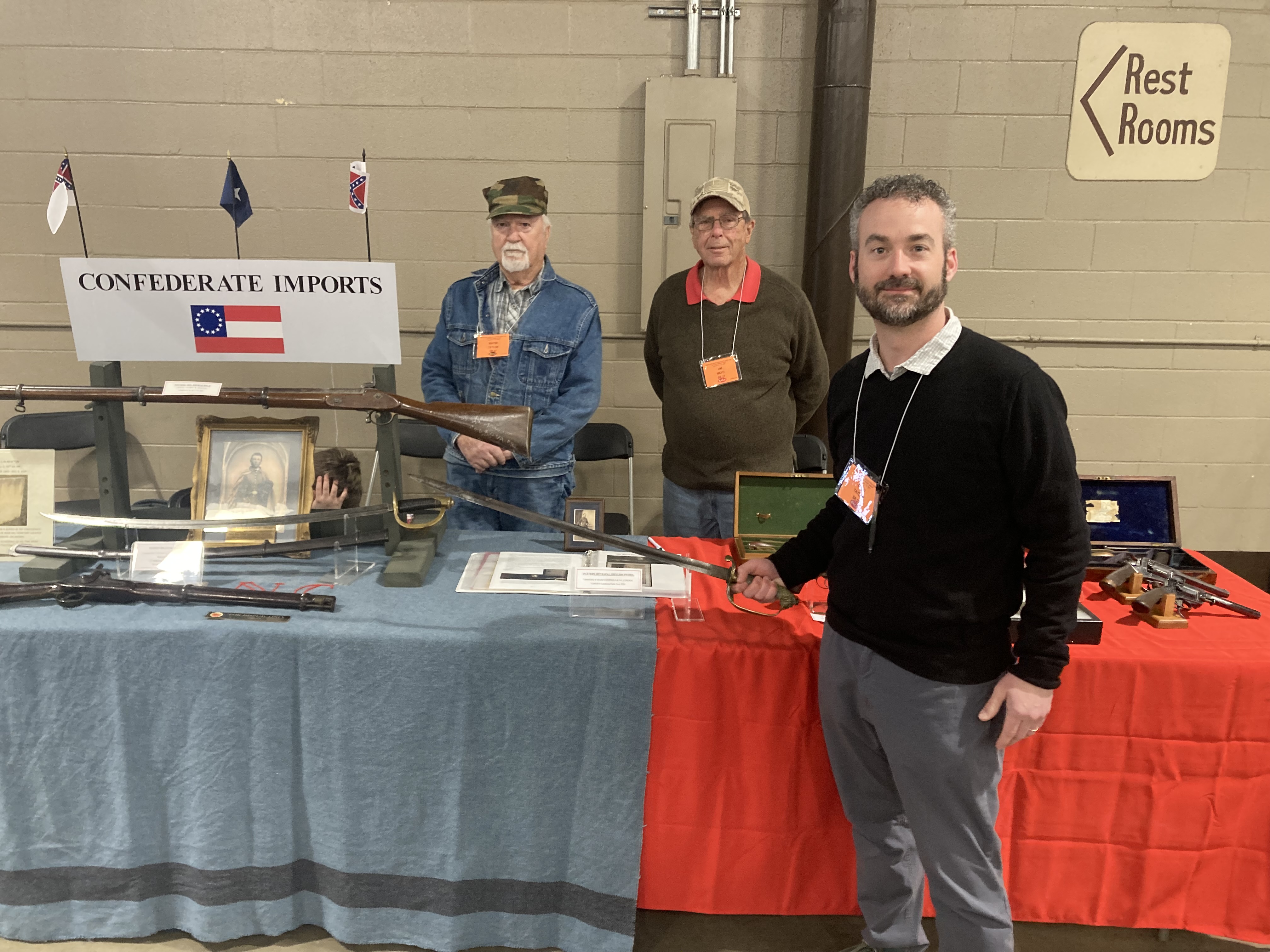

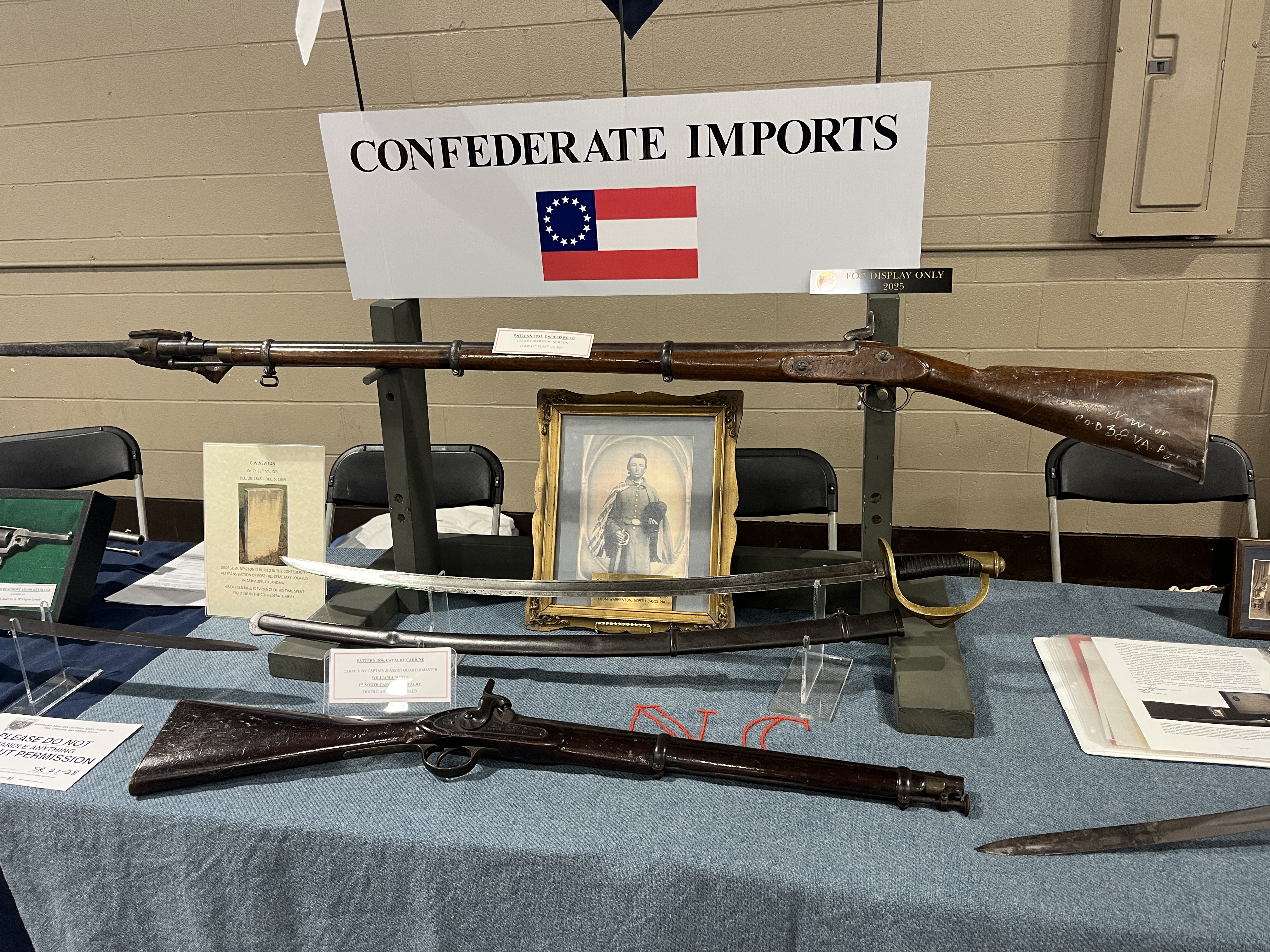


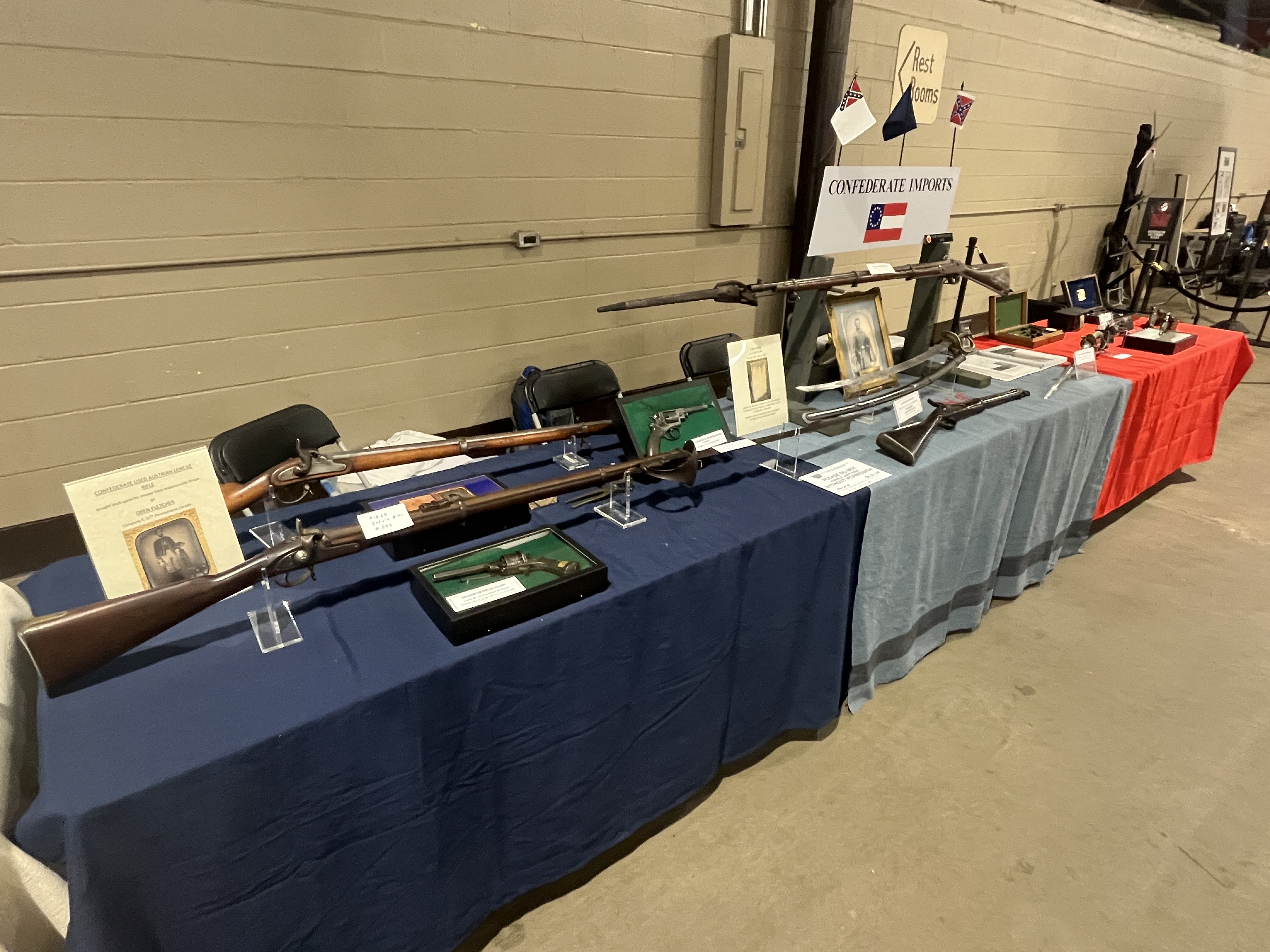

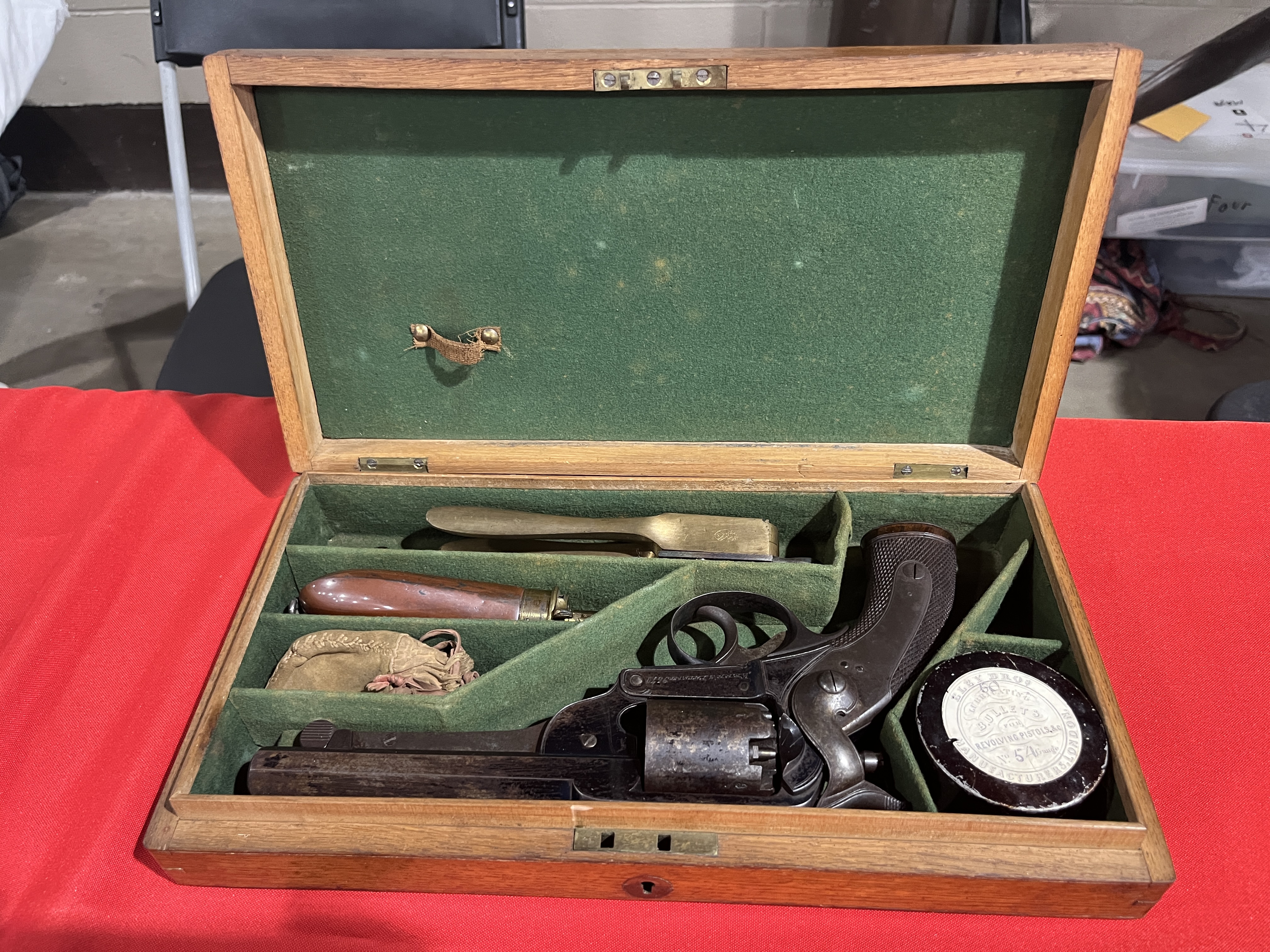



The 250th Anniversary of South Quay Baptist Church

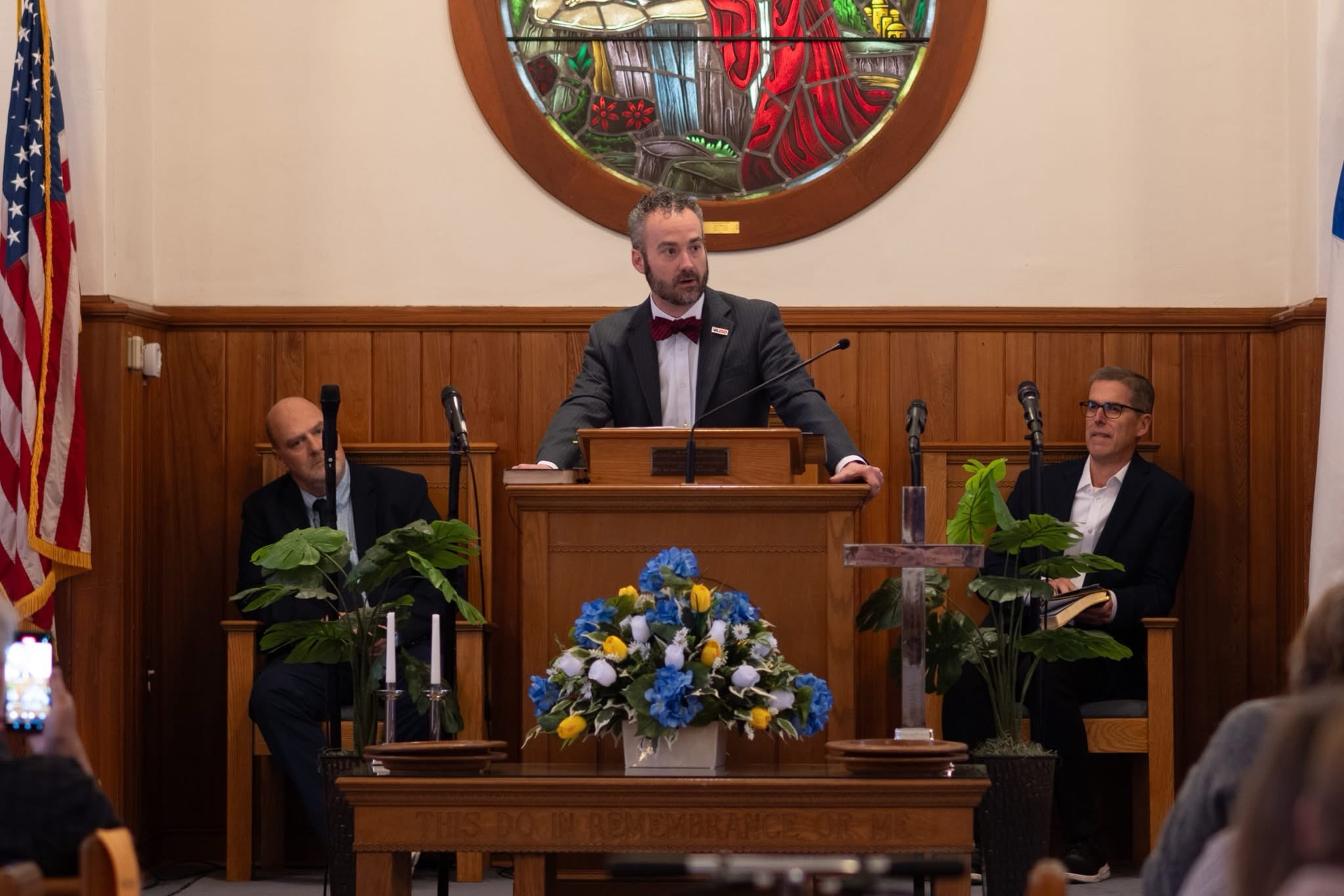
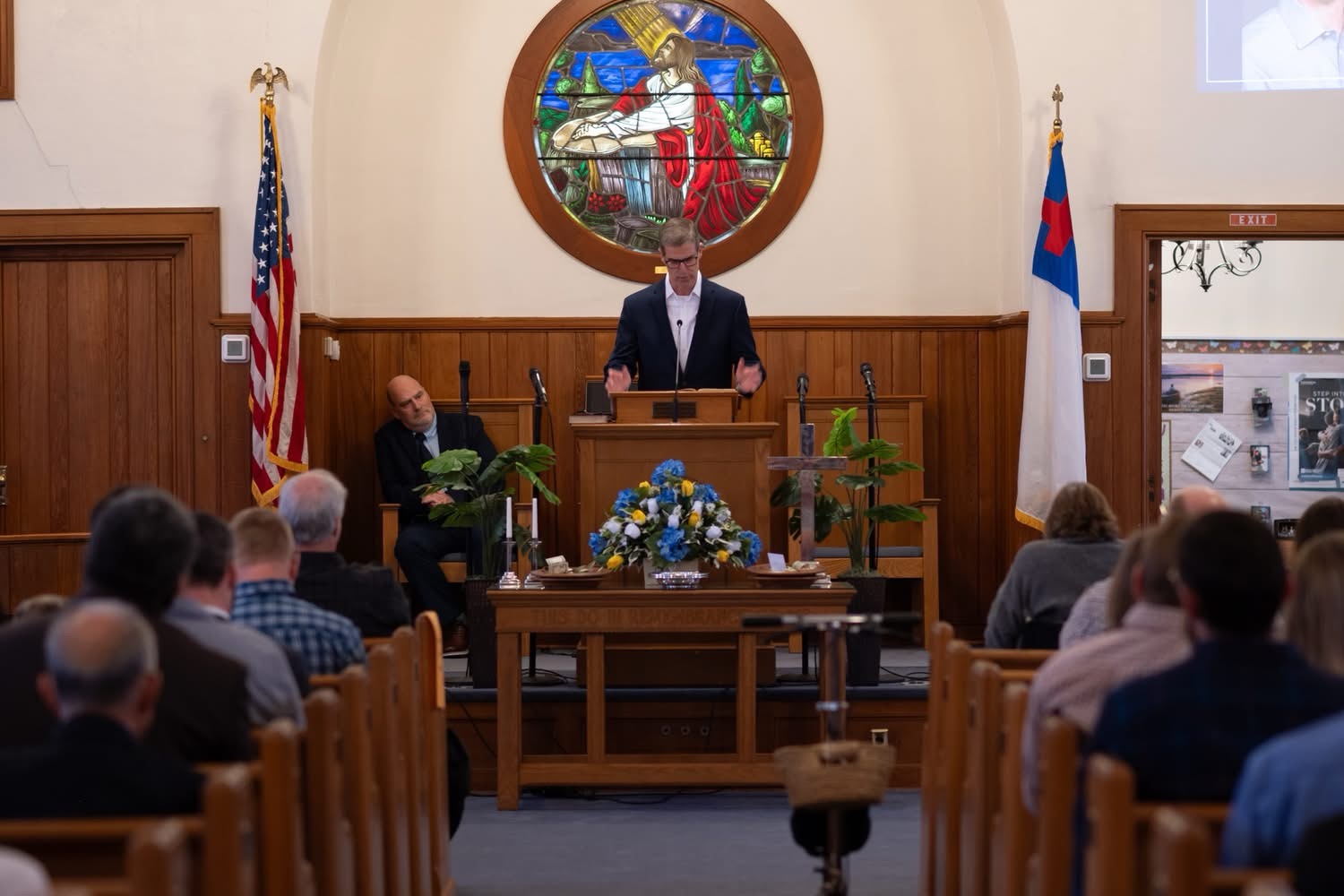
I had the distinct privilege of speaking at the homecoming celebration held on Sunday, March 16, recognizing South Quay Baptist Church for its 250th anniversary. It was a packed-house, with standing room only and just a wonderful day of sharing history, fellowship, and worship!
The pictures below are courtesy of South Quay’s Facebook page.


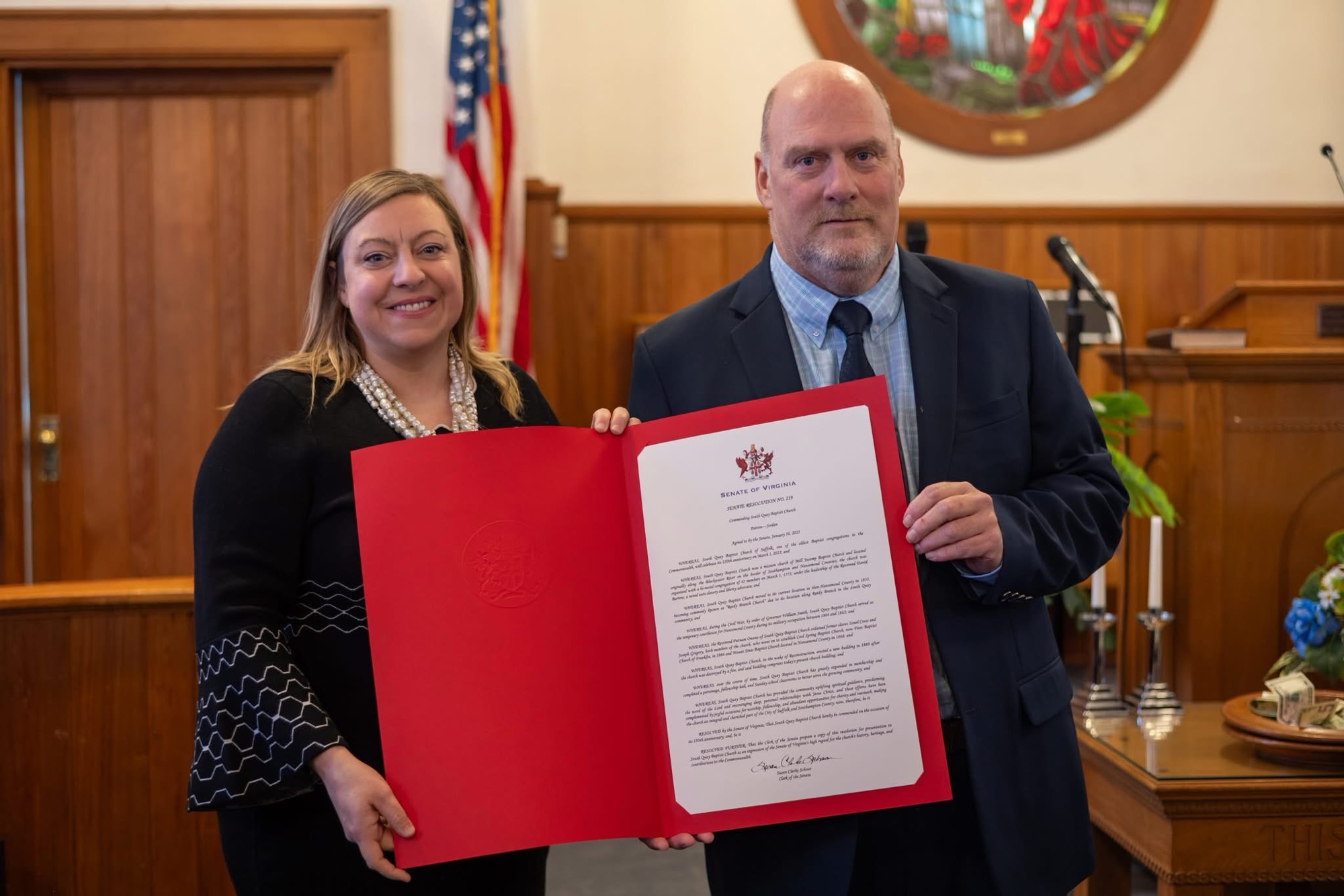





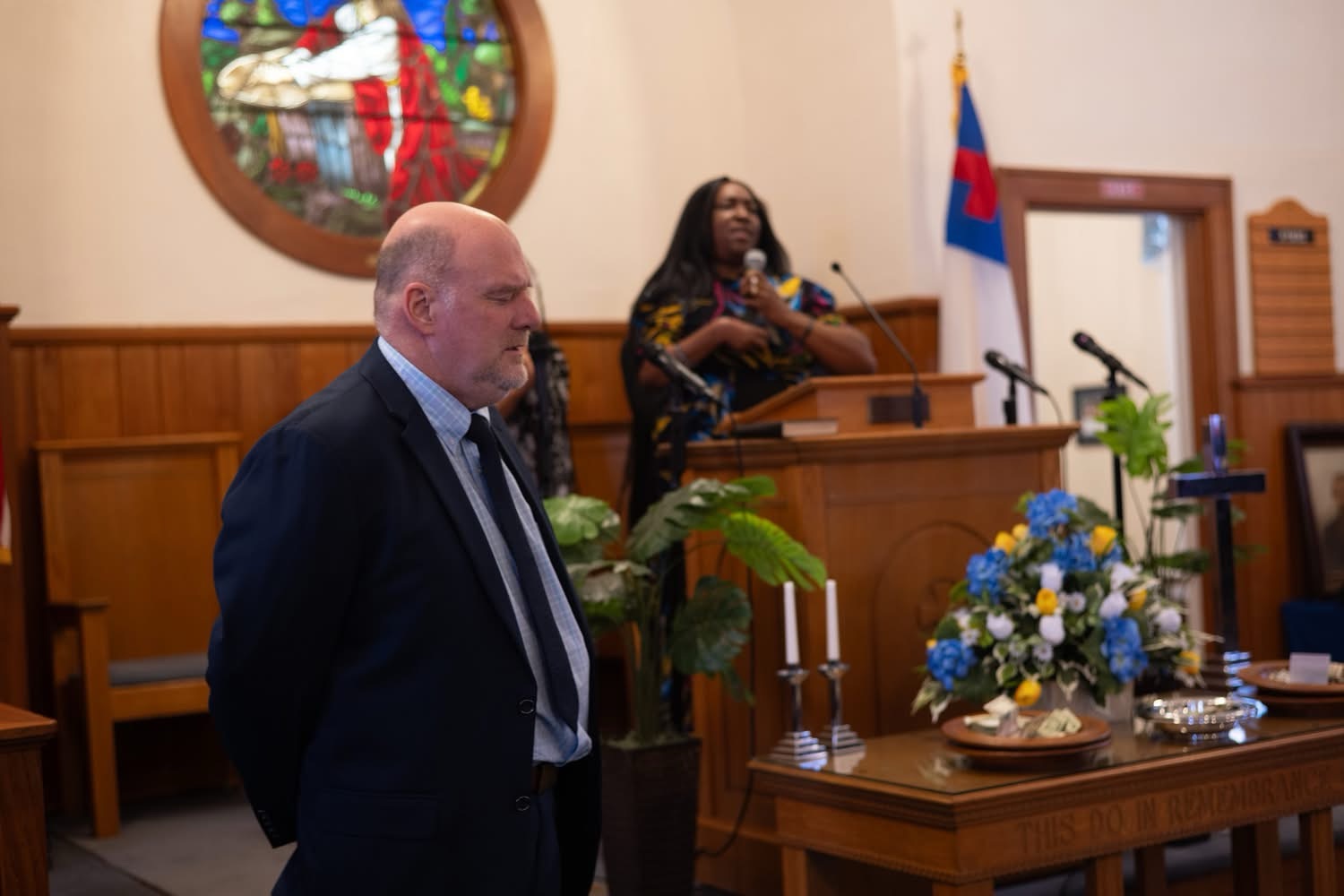
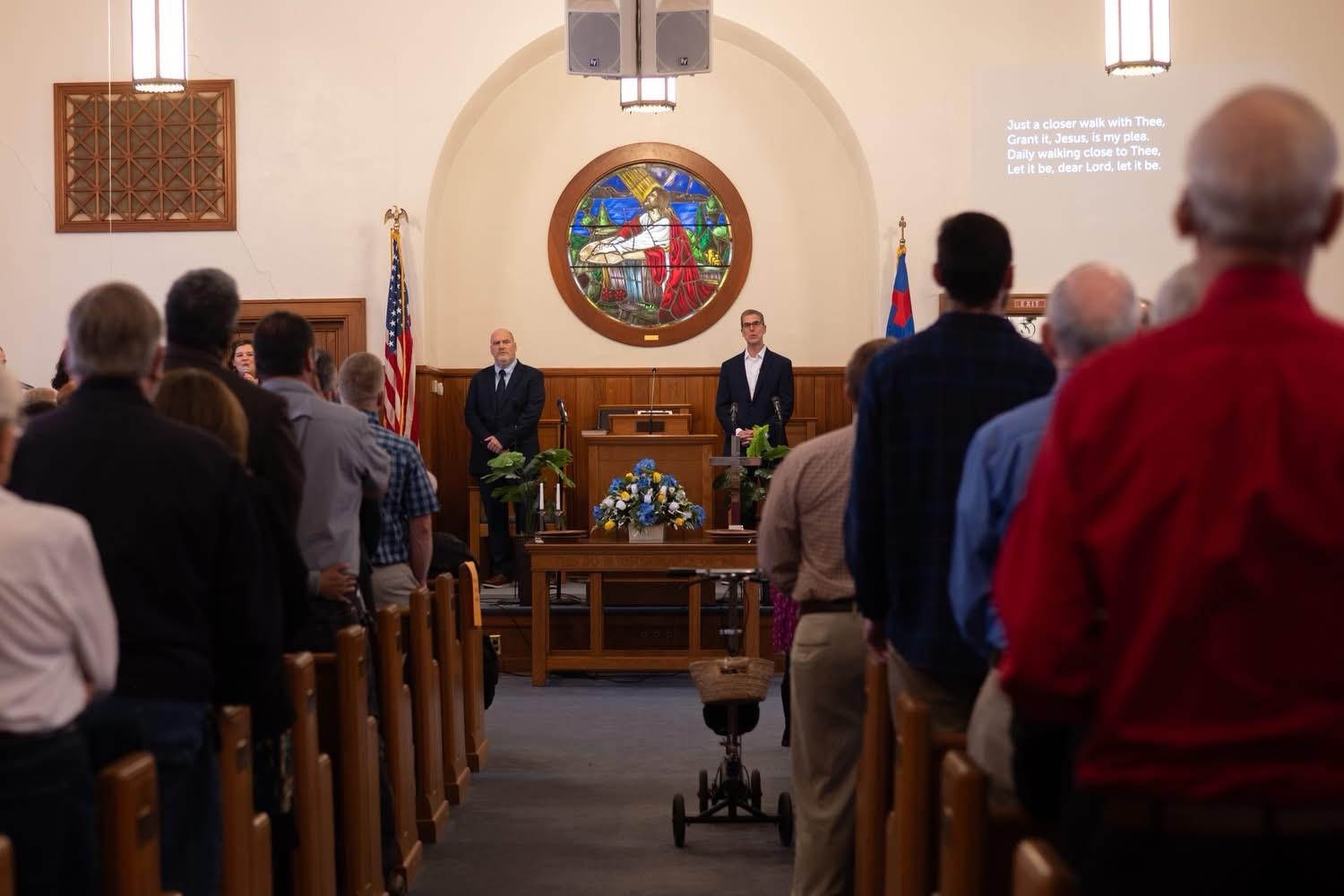
Additionally, the following resolution was passed by the Senate of Virginia as SR219 commending South Quay on this great honour and outlining the Church’s history:
Offered January 23, 2025
Commending South Quay Baptist Church.
—————
Patron—Jordan
—————
WHEREAS, South Quay Baptist Church of Suffolk, one of the oldest Baptist congregations in the Commonwealth, will celebrate its 250th anniversary on March 1, 2025; and
WHEREAS, South Quay Baptist Church was a mission church of Mill Swamp Baptist Church and located originally along the Blackwater River on the border of Southampton and Nansemond Counties; the church was organized with a bi-racial congregation of 42 members on March 1, 1775, under the leadership of the Reverend David Barrow, a noted anti-slavery and liberty advocate; and
WHEREAS, South Quay Baptist Church moved to its current location in then-Nansemond County in 1835, becoming commonly known as “Reedy Branch Church” due to its location along Reedy Branch in the South Quay community; and
WHEREAS, during the Civil War, by order of Governor William Smith, South Quay Baptist Church served as the temporary courthouse for Nansemond County during its military occupation between 1864 and 1865; and
WHEREAS, the Reverend Putnam Owens of South Quay Baptist Church ordained former slaves Israel Cross and Joseph Gregory, both members of the church, who went on to establish Cool Spring Baptist Church, now First Baptist Church of Franklin, in 1866 and Mount Sinai Baptist Church located in Nansemond County in 1868; and
WHEREAS, South Quay Baptist Church, in the wake of Reconstruction, erected a new building in 1889 after the church was destroyed by a fire, and said building comprises today’s present church building; and
WHEREAS, over the course of time, South Quay Baptist Church has greatly expanded in membership and completed a parsonage, fellowship hall, and Sunday school classrooms to better serve the growing community; and
WHEREAS, South Quay Baptist Church has provided the community uplifting spiritual guidance, proclaiming the word of the Lord and encouraging deep, personal relationships with Jesus Christ, and these efforts have been complemented by joyful occasions for worship, fellowship, and abundant opportunities for charity and outreach, making the church an integral and cherished part of the City of Suffolk and Southampton County; now, therefore, be it
RESOLVED by the Senate of Virginia, That South Quay Baptist Church hereby be commended on the occasion of its 250th anniversary; and, be it
RESOLVED FURTHER, That the Clerk of the Senate prepare a copy of this resolution for presentation to South Quay Baptist Church as an expression of the Senate of Virginia’s high regard for the church’s history, heritage, and contributions to the Commonwealth.
Running the blockade…
A couple of new additions to my “crew” of blockade runner images.
George Washington Davis of North Carolina (1832 – circa 1900)

G.W. Davis was born into a seafaring family near Shackleford banks, Carteret County, North Carolina, in 1832. Little is known of his early life until he appears as the 2nd Mate of the iron-hulled paddle steamer, Britannia, which had been launched from Scotland in the spring of 1862. The Britannia made six runs through the blockade before being captured off of the Bahamas on June 22, 1863, by the USS Santiago de Cuba. Davis, along with many of his fellow crew members, were sent to Fort Lafayette, NY; and later transferred to Fort Warren, Boston, Massachusetts, in September of 1863. Davis remained imprisoned at Fort Warren for the remainder of the War and after, until June 20, 1865.
This CDV of G.W. Davis was taken by photographer J.W. Black, Boston, Massachusetts, during his imprisonment at Fort Warren. Black also appears in several of the group images of Fort Warren prisoners that have been published.
After the War, Davis settled in Smithville (now Southport), North Carolina, where he married, raised a family, and continued in maritime pursuits as a sailor and pilot. He died prior to 1900.
George E. Lyell of Virginia (1837 – 1868)

A native of Norfolk, Virginia, George E. Lyell had been a member of the 54th Virginia Militia before he enlisted as a Private in Captain Nathan W. Small’s Signal Corps Company on March 5, 1862. This Company ultimately became a part of Major James F. Milligan’s Independent Signal Corps, operating as scouts and signal officers along the James and Appomattox rivers. Lyell was present with his company, and primarily stationed in Petersburg, until detailed in 1864 for signal duty to Wilmington, North Carolina, where he would serve on ships intended to run the blockade. Although the particulars of this service are unknown, he does appear on a list of Confederates in Havana, Cuba, in April of 1865, and later back in the Confederacy, where he was paroled at Charlotte, North Carolina, on May 4, 1865.
After the War, Lyell operated a restaurant and saloon in Norfolk, until an untimely death on July 23, 1868.
The CDV of George E. Lyell was photographed by A. Hobday & Co., Norfolk, Virginia, circa 1866-1868.
(These images are in the collection of and are courtesy of Fred D. Taylor.)
 Fred~on~History