Many thanks to Bermuda’s The Royal Gazette newspaper for picking up the story on the new website devoted to the life and work of photographer Samuel Walter Gault.
What began some eight years ago for me as a passing interest in a Bermuda-related photograph (of NC blockade runner/pilot Thomas Mann Thompson) has since resulted in two magazine articles, and continuing on with the identification and documentation of nearly seventy-five images taken by photographer Samuel W. Gault during his time in Bermuda from 1861 to 1865.
With a desire to share that research, I have compiled an online database for any others who may be interested in photographer Gault, Bermuda photography, American Civil War, Royal military or just general 19th century Bermuda history, etc. to be able to research. Here is the link:
The site was created through a software called Omeka, which is a web-publishing platform used internationally for the display of library, museum, archives, and scholarly collections. (It’s the same one we use for the North Carolina, State Troops and Volunteers project.)
The site not only allows interaction and the ability to share images and stories, but also is user-friendly for research purposes, whether you are a scholar or hobbyist. A full word/phrase search engine is included, and images can also be browsed by a topical tag. Additionally, you can directly submit your own images and stories for inclusion. There are currently over 45 images, from private collections as well as Universities, Museums, and Historical Societies, that have been kind enough to grant permission. And I am optimistic that many more will be added in the coming months as I gain additional permissions.
So please, enjoy, share, bookmark, and visit again soon! I am rather partial to the result here, but I encourage you to take a look and find out for yourself. Likewise, please let me know what you think, or any recommendations you may have for improvements!
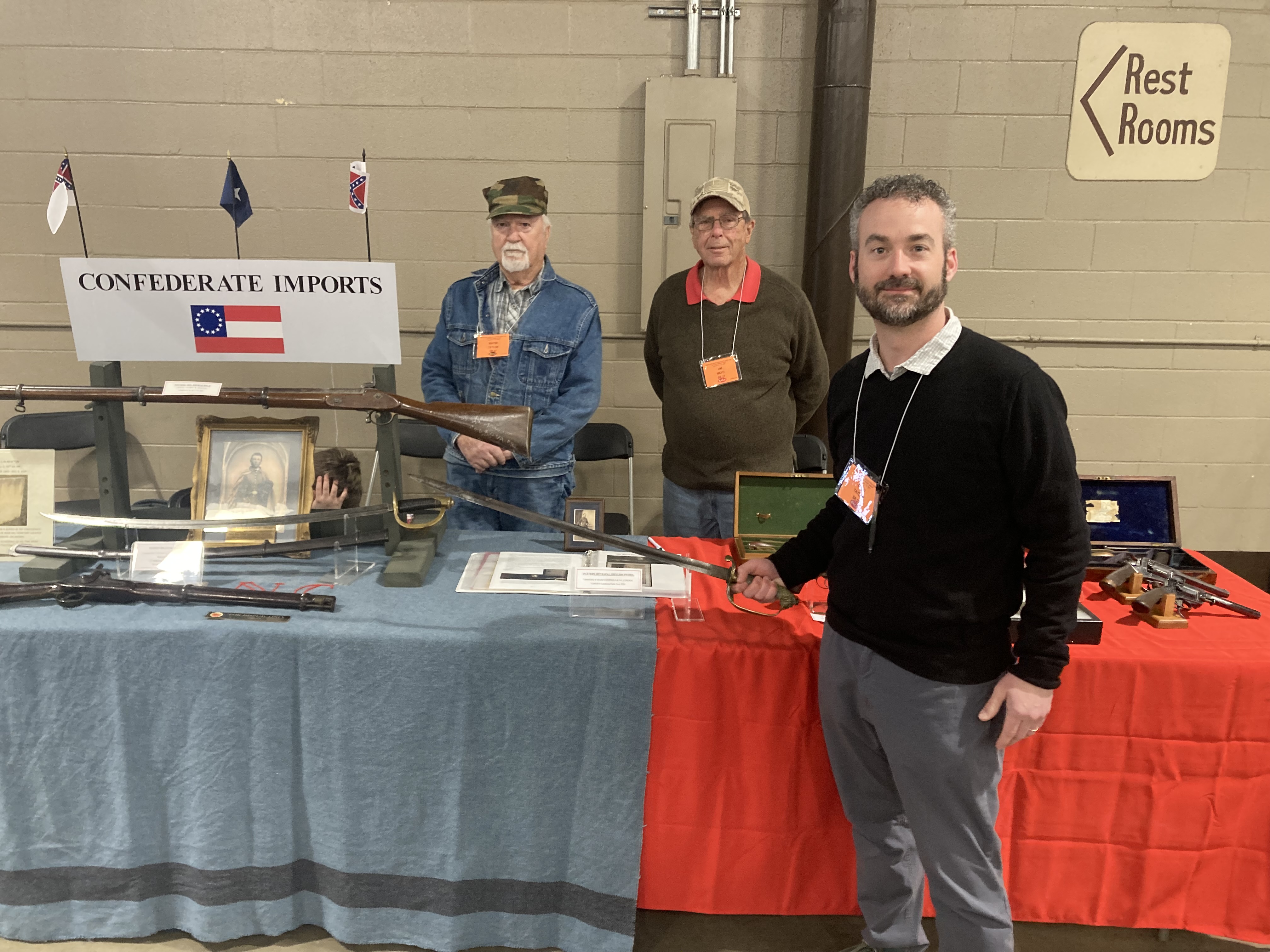
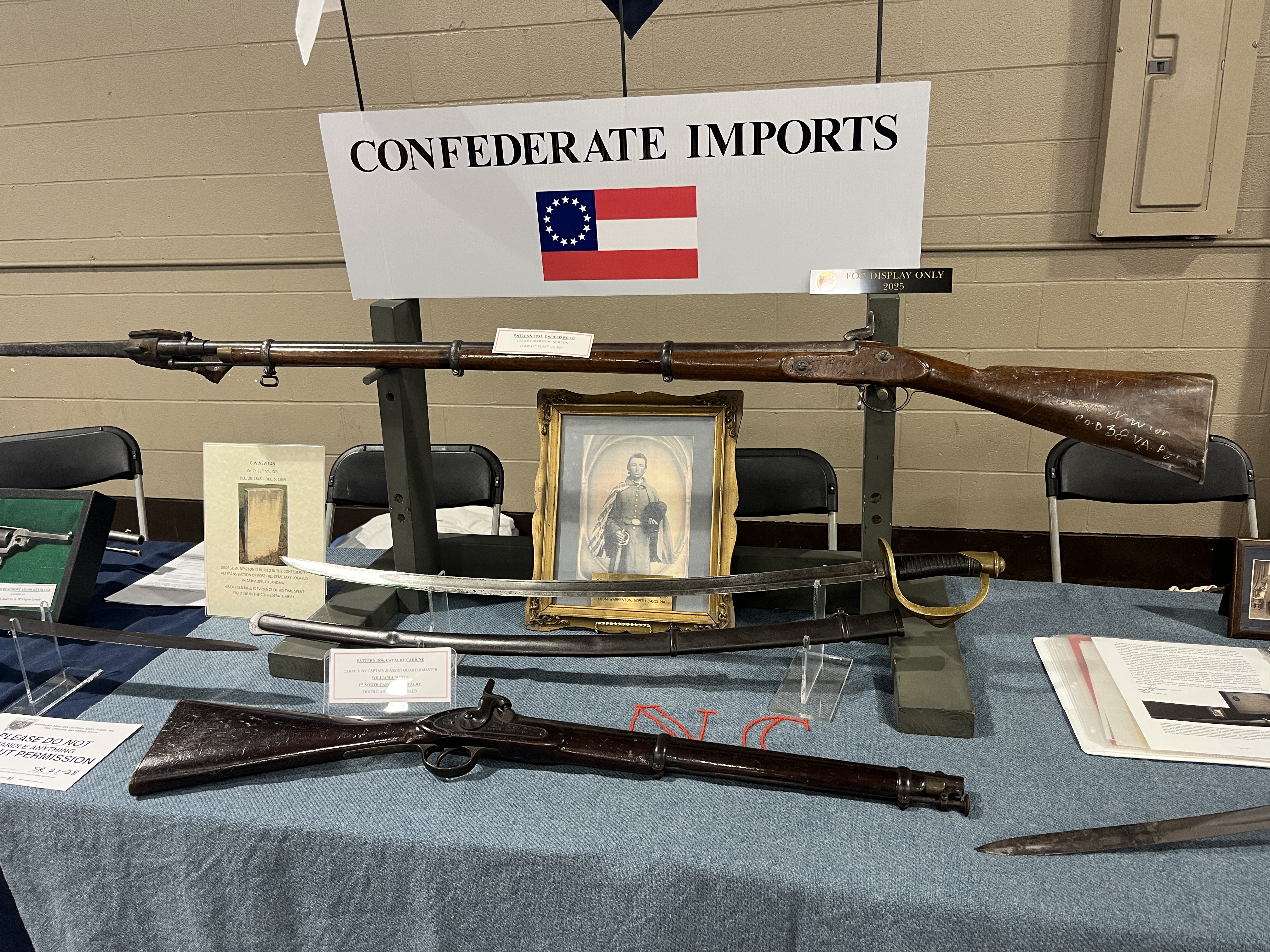
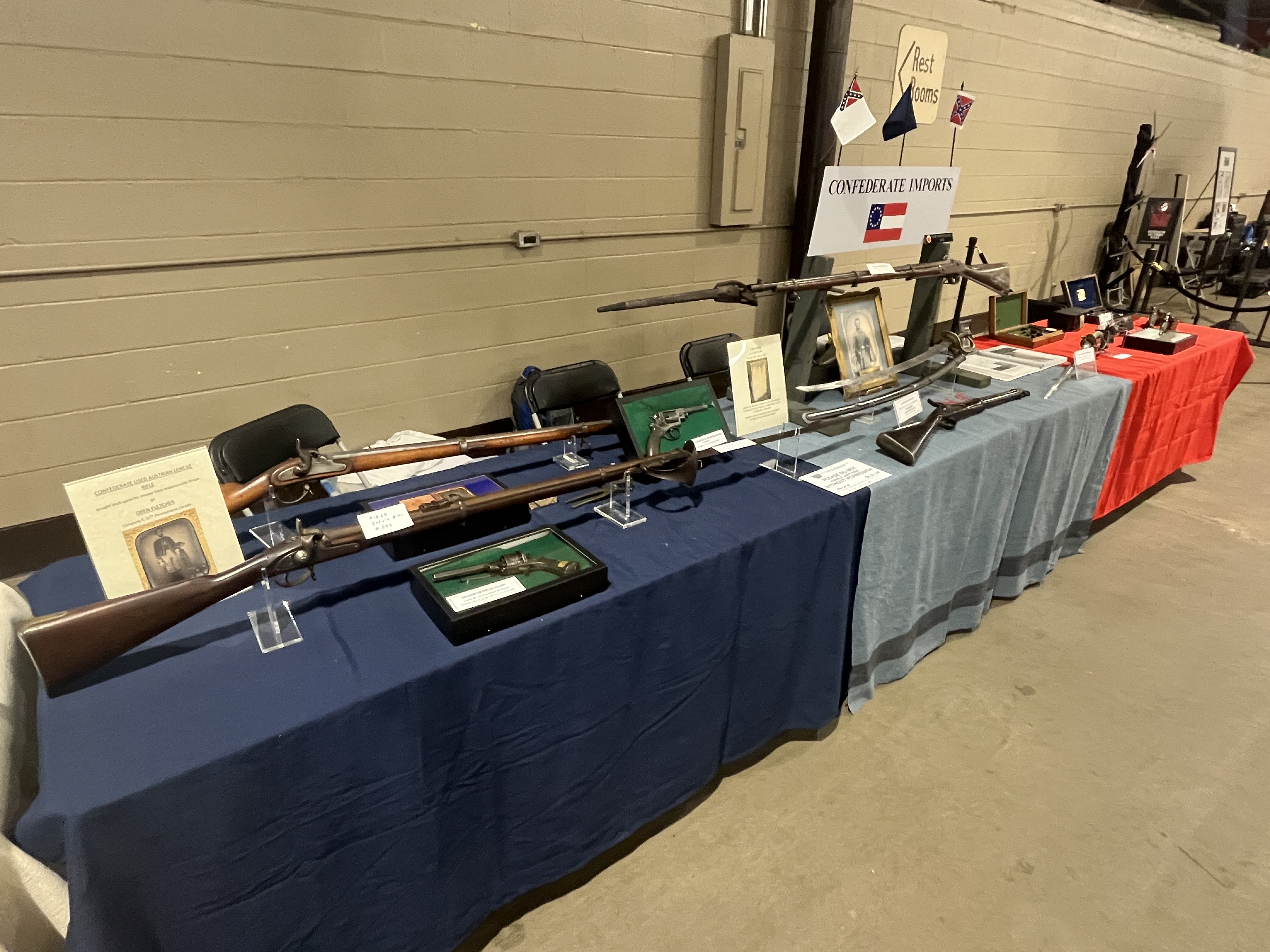
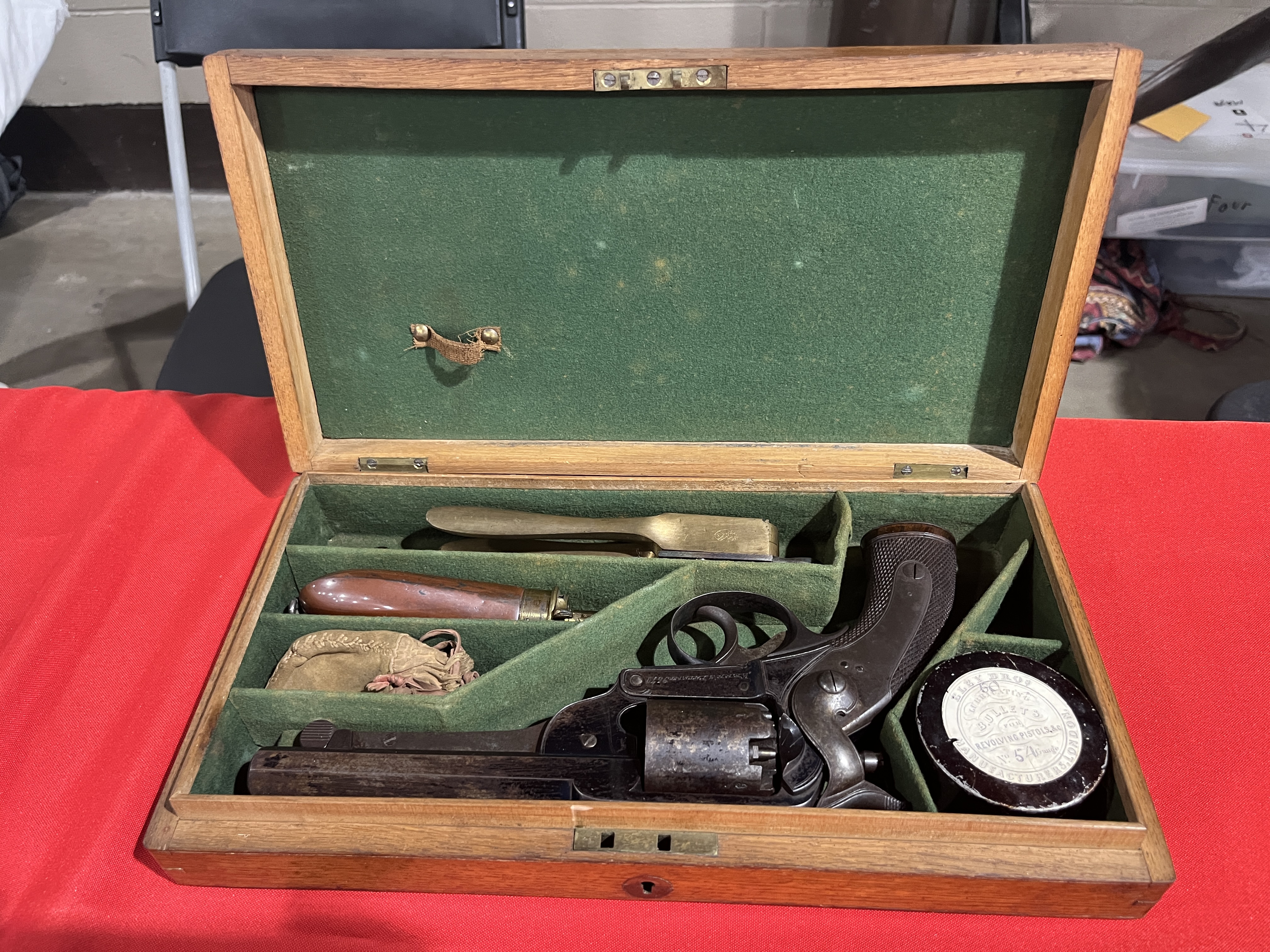
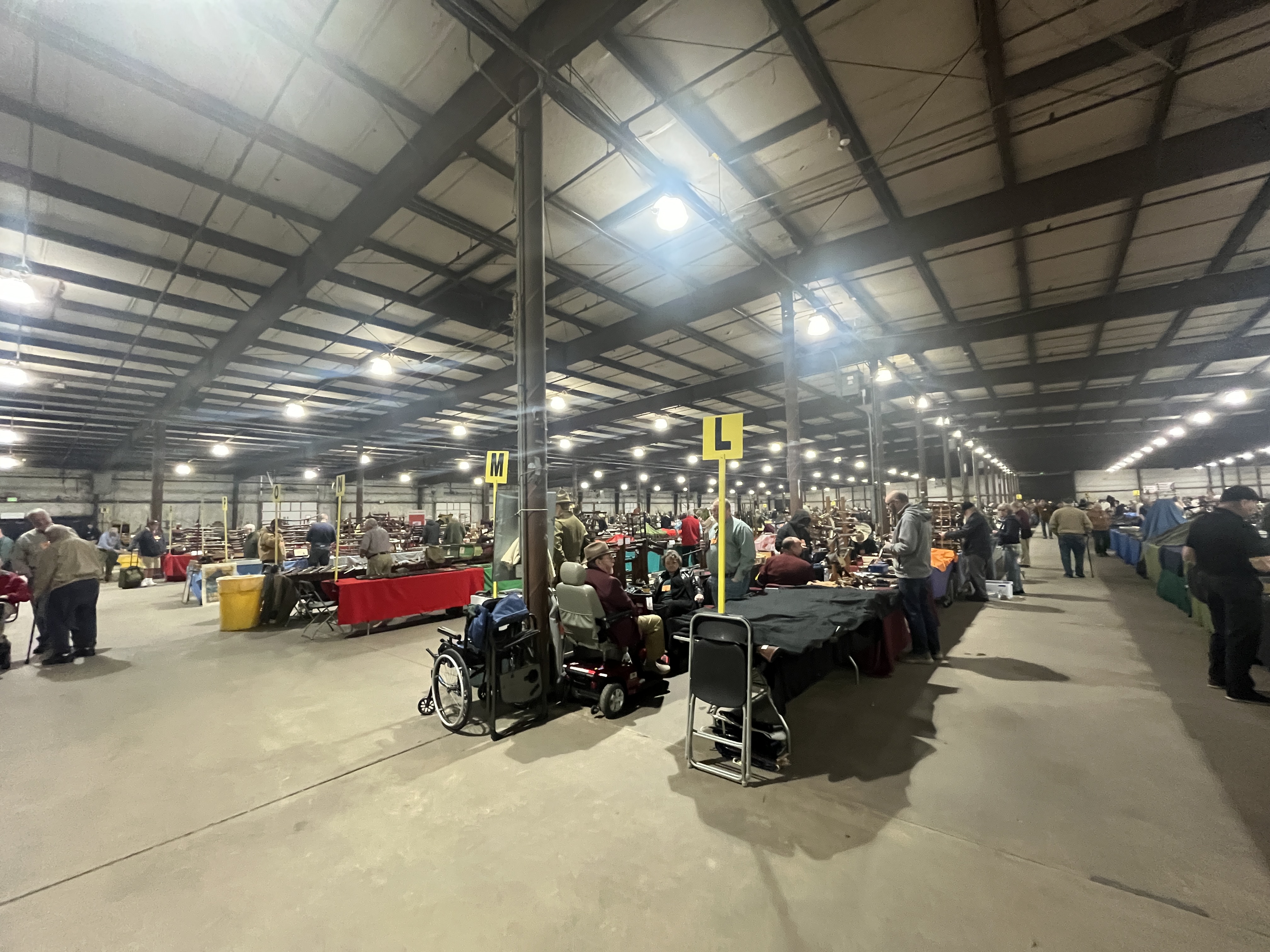
For this year’s event, my friend Jim Mayo and I collaborated on an educational display of arms, accoutrements, and accessories imported to the Confederacy through the blockade.
Photo courtesy of Cliff Krainik. Discussing Raphael Semmes and the CSS Alabama with author and historian, Cliff Krainik.
A couple of new additions to my “crew” of blockade runner images.
George Washington Davis of North Carolina (1832 – circa 1900)
G.W. Davis was born into a seafaring family near Shackleford banks, Carteret County, North Carolina, in 1832. Little is known of his early life until he appears as the 2nd Mate of the iron-hulled paddle steamer, Britannia, which had been launched from Scotland in the spring of 1862. The Britannia made six runs through the blockade before being captured off of the Bahamas on June 22, 1863, by the USS Santiago de Cuba. Davis, along with many of his fellow crew members, were sent to Fort Lafayette, NY; and later transferred to Fort Warren, Boston, Massachusetts, in September of 1863. Davis remained imprisoned at Fort Warren for the remainder of the War and after, until June 20, 1865.
This CDV of G.W. Davis was taken by photographer J.W. Black, Boston, Massachusetts, during his imprisonment at Fort Warren. Black also appears in several of the group images of Fort Warren prisoners that have been published.
After the War, Davis settled in Smithville (now Southport), North Carolina, where he married, raised a family, and continued in maritime pursuits as a sailor and pilot. He died prior to 1900.
George E. Lyell of Virginia (1837 – 1868)
A native of Norfolk, Virginia, George E. Lyell had been a member of the 54th Virginia Militia before he enlisted as a Private in Captain Nathan W. Small’s Signal Corps Company on March 5, 1862. This Company ultimately became a part of Major James F. Milligan’s Independent Signal Corps, operating as scouts and signal officers along the James and Appomattox rivers. Lyell was present with his company, and primarily stationed in Petersburg, until detailed in 1864 for signal duty to Wilmington, North Carolina, where he would serve on ships intended to run the blockade. Although the particulars of this service are unknown, he does appear on a list of Confederates in Havana, Cuba, in April of 1865, and later back in the Confederacy, where he was paroled at Charlotte, North Carolina, on May 4, 1865.
After the War, Lyell operated a restaurant and saloon in Norfolk, until an untimely death on July 23, 1868.
The CDV of George E. Lyell was photographed by A. Hobday & Co., Norfolk, Virginia, circa 1866-1868.
(These images are in the collection of and are courtesy of Fred D. Taylor.)
It seems like these last few weeks have been filled with nothing but news of illness and loss; and again this morning I woke up to learn of the passing of another friend.
I was first introduced to Nicholas Lusher back in 2018, as I began my journey into the early history of photography in Bermuda. To say he was an expert – and I do not toss that word around lightly – was an understatement, having an academic, professional, and personal/family background that did in fact make him what his obituary referred to as an “internationally esteemed art and antiques dealer dedicated to preserving the island’s cultural heritage.” But he was so much more than the acclaimed Caribbean and New York art dealer on the surface.
Upon learning of my interests, Nicky welcomed me into his world immediately, excited to provide research material, make referrals, and open doors that I otherwise would never have had as an outsider to Bermuda. We collaborated for several years thereafter as collectors, historians, and ultimately as friends. Once I published my story on photographer Samuel W. Gault (which I naively thought would be the end of my research), we remained in contact to share new historical findings and “talk shop.” And despite the fact he was in the business to find and sell art, he would frequently tip me off when Gault images would pop up in the marketplace, giving me the first chance on them.
I will forever be grateful for Nicky’s mentorship and the legacy he leaves in the art world, but most of all I send my deepest condolences to his family, of which I know he so loved and cherished even more. Requiescat in pace, my friend.
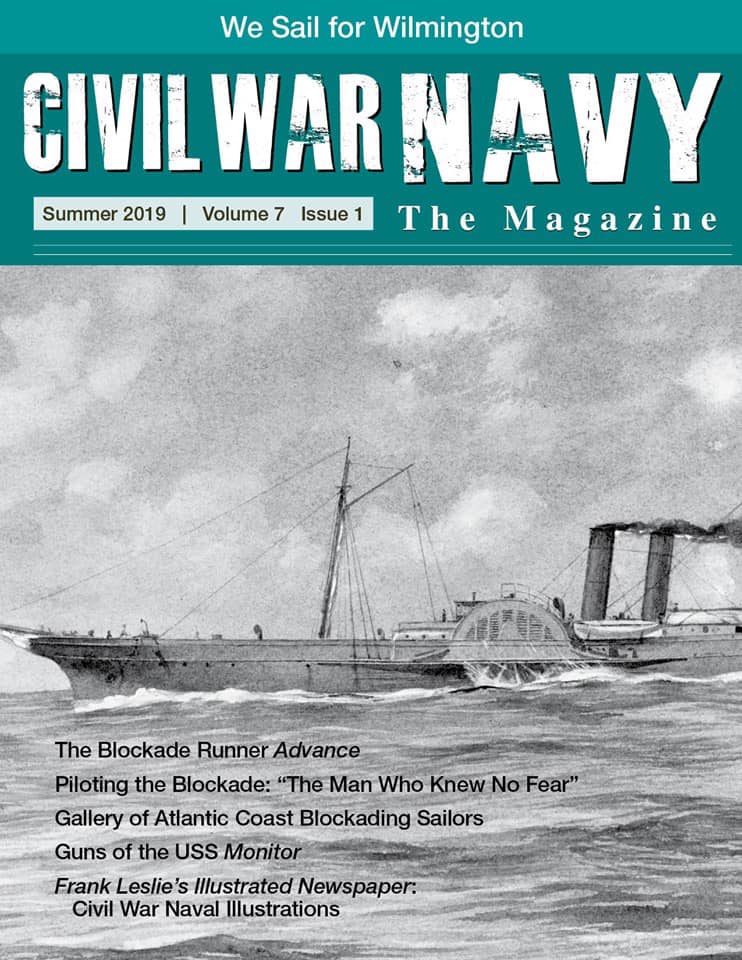
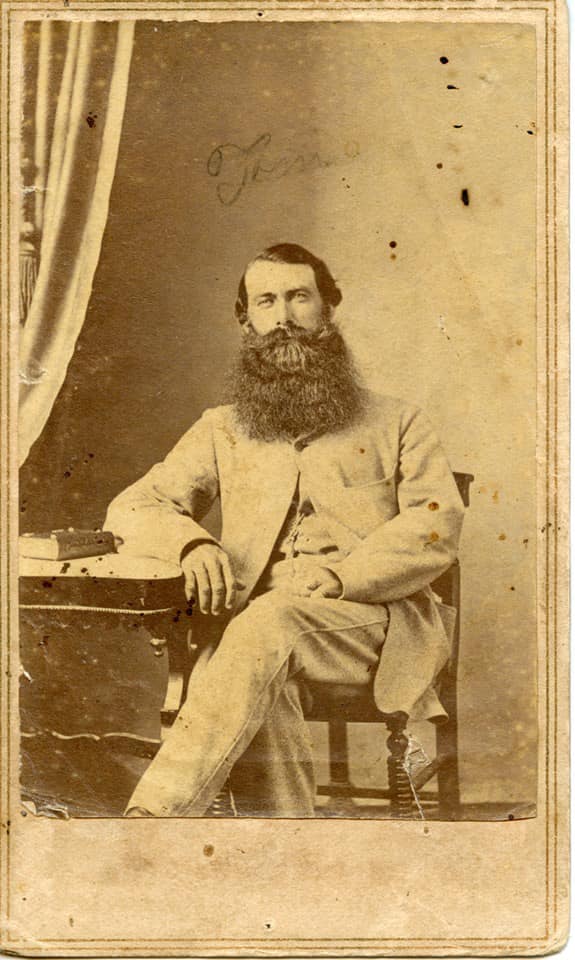
A sneak peak of my article in the Summer 2019 issue of Civil War Navy—The Magazine (civilwarnavy.com) profiles Thomas Mann Thompson, Jr., one of the Confederacy’s most successful blockade runner pilots, making over 30 runs through the blockade while escaping capture. Famed Confederate Captain Michael P. Usina called Thompson “an officer who knew no fear.”
(Thompson carte de visite courtesy of the Fred D. Taylor Collection. Image photographed by S.W. Gault, Hamilton, Bermuda, circa 1864.)








 Fred~on~History