Do You Know Yours?
October is also known for Family History Month, a wonderful opportunity to discover the people, places, and experiences that helped shape our families — and, in many ways, ourselves.
My own journey into genealogy began more decades ago with a fourth-grade history project at Driver Elementary School. What started as a simple school assignment sparked a curiosity that never went away. Little did I know that project would lead to a lifelong passion for genealogy, historical research, and discovering the stories of those who came before us.
Of course, researching family history looked quite different back then!
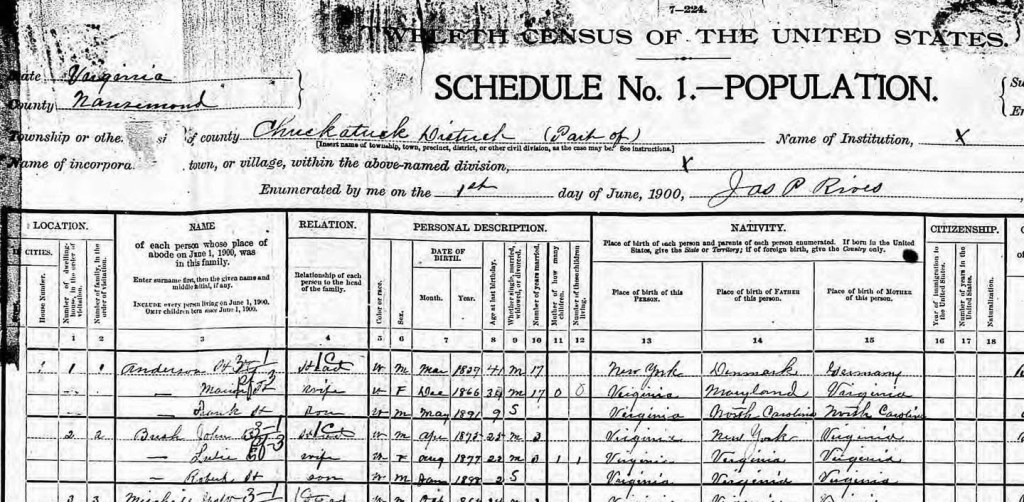
Long before Ancestry.com and digitized records, genealogy meant spending hours in libraries and courthouse record rooms, turning the pages of old deed books, examining handwritten records, and scrolling through seemingly endless reels of microfilm. Sometimes an entire afternoon of research might produce only one new name, date, or connection. But when you finally found that missing piece of the puzzle, it was worth every minute.
Today, exploring your family tree is easier than ever. Online resources such as Ancestry.com and Newspapers.com put millions of historical records and newspaper pages at our fingertips. DNA testing has opened entirely new avenues of discovery, sometimes connecting relatives who never knew one another existed.
But the real reward of genealogy isn’t simply collecting names and dates. It’s discovering the people behind them.
Who were your great-grandparents? Where did they live? How did they make their living? What brought them to the community you now call home? What hardships did they endure, what accomplishments did they celebrate, and what traditions did they pass along?
Here in Suffolk, old Nansemond County, and Isle of Wight, our family histories are woven into the larger story of Tidewater Virginia. The history of our churches, farms, villages, businesses, and communities is, in many respects, the collective history of the families who built and sustained them.
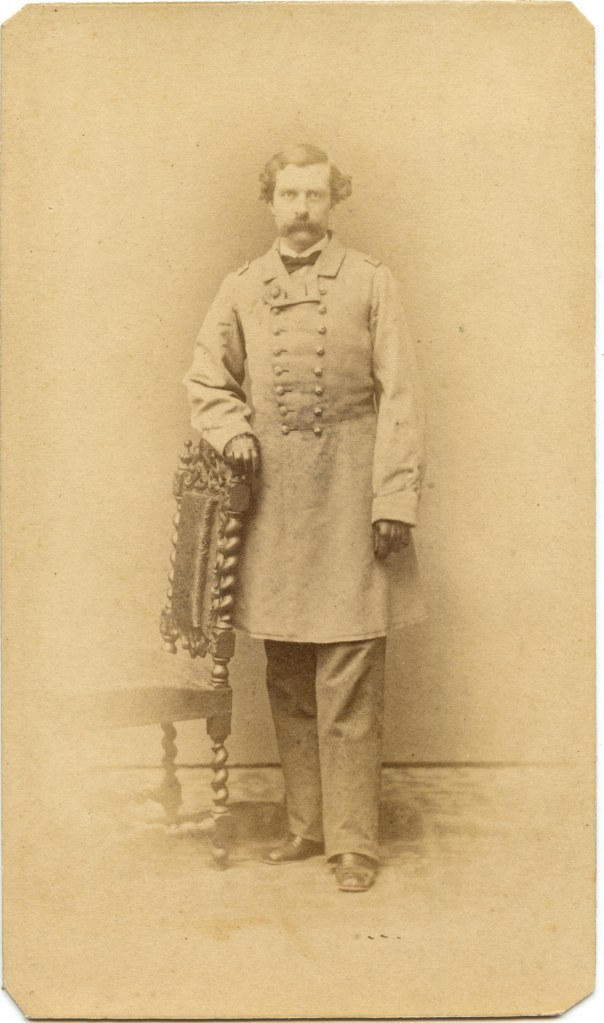
And sometimes, the most valuable historical records aren’t found in a courthouse or online database. They’re tucked away in an old family Bible, written on the back of a faded photograph, preserved in a bundle of letters, or carried in the memories of a parent or grandparent.
That brings me to something I believe is especially important: Family history isn’t just about discovering the past. It’s about preserving it for the future.
How many old photographs have we encountered with no names written on the back? How many wonderful family stories have been lost because nobody thought to write them down?
One of the greatest tragedies in family history isn’t what we never discover. It’s what one generation knew, but never passed along to the next.
You don’t have to be an expert genealogist to make a difference. Start with what you know. Ask questions of your parents, grandparents, aunts, and uncles. Look through that old box of photographs. Record a family story. Visit a cemetery. Follow a clue and see where it leads.
You may uncover a surprising connection, discover an ancestor whose life inspires you, or simply gain a deeper appreciation for the ordinary people whose lives and sacrifices made your own possible.
And remember, someday you will be part of someone else’s family history. What stories will you leave behind?
This Family History Month, I encourage you to do more than explore your roots. Take the time to preserve a little of your family’s story for the generations yet to come.
Because every family has a history worth remembering.
So share your stories in the comments. You never know when your discovery might inspire someone else to begin their own journey!